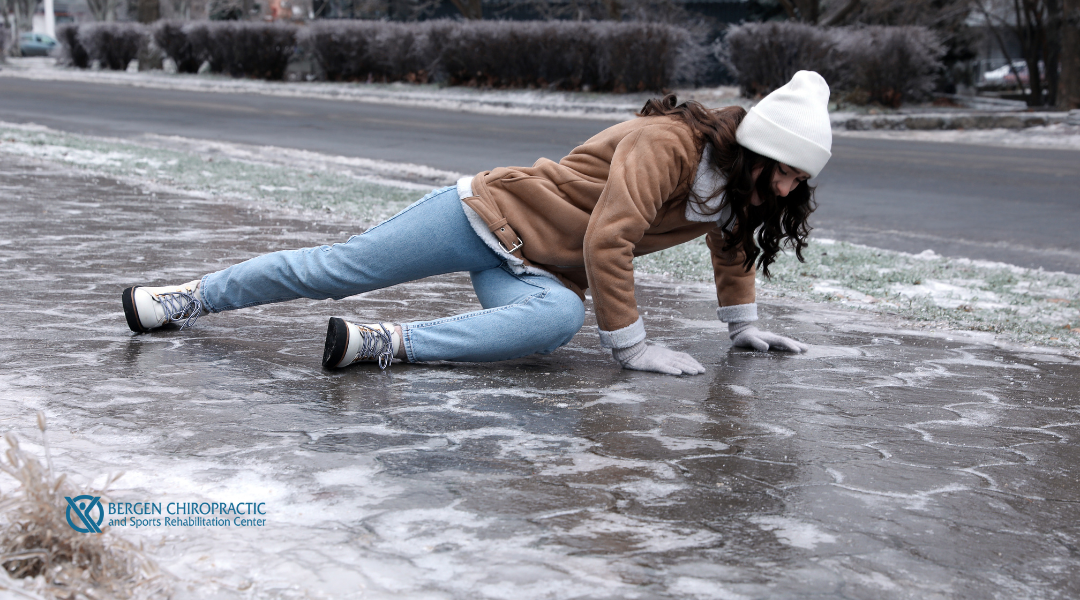
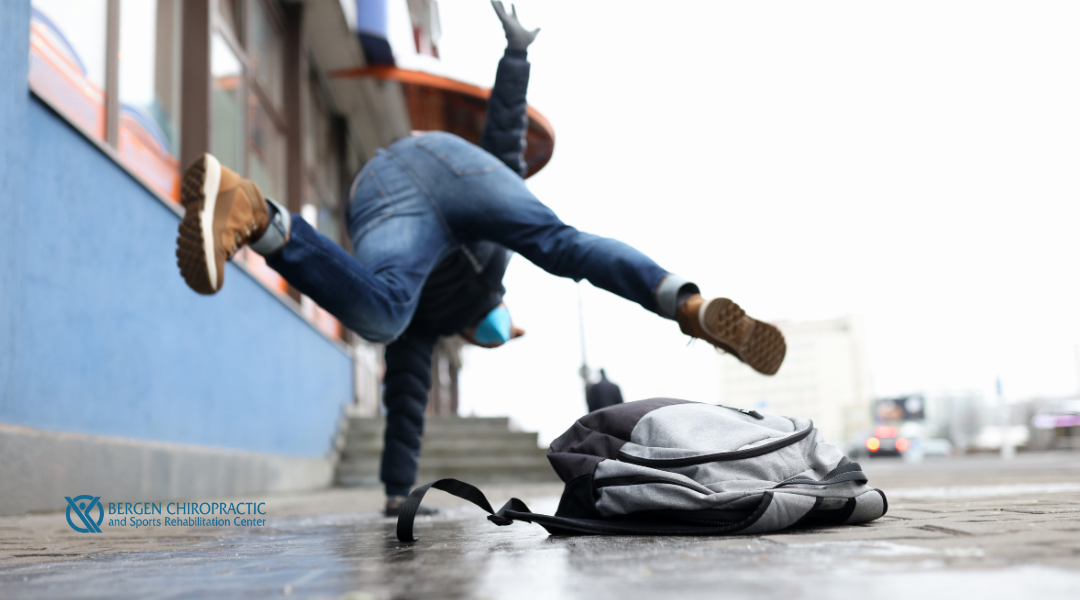
Winter slip-and-fall accidents are a common cause of ankle, wrist, and back injuries. Ice-covered sidewalks, snowy parking lots, and slick driveways increase the risk of sudden falls that place unexpected stress on the body.
Even when a fall seems minor, the impact can disrupt joint movement and spinal alignment, leading to pain, stiffness, and limited mobility.
Chiropractic care helps address these injuries by restoring proper joint function, improving mobility, and supporting a more complete recovery after winter slip-and-fall accidents.
Why Winter Slip-and-Fall Accidents Are So Common in Bergen County
Bergen County winters create the perfect conditions for slip-and-fall accidents. Frequent freeze–thaw cycles, sudden temperature drops, and ongoing foot traffic turn everyday surfaces into hidden hazards.
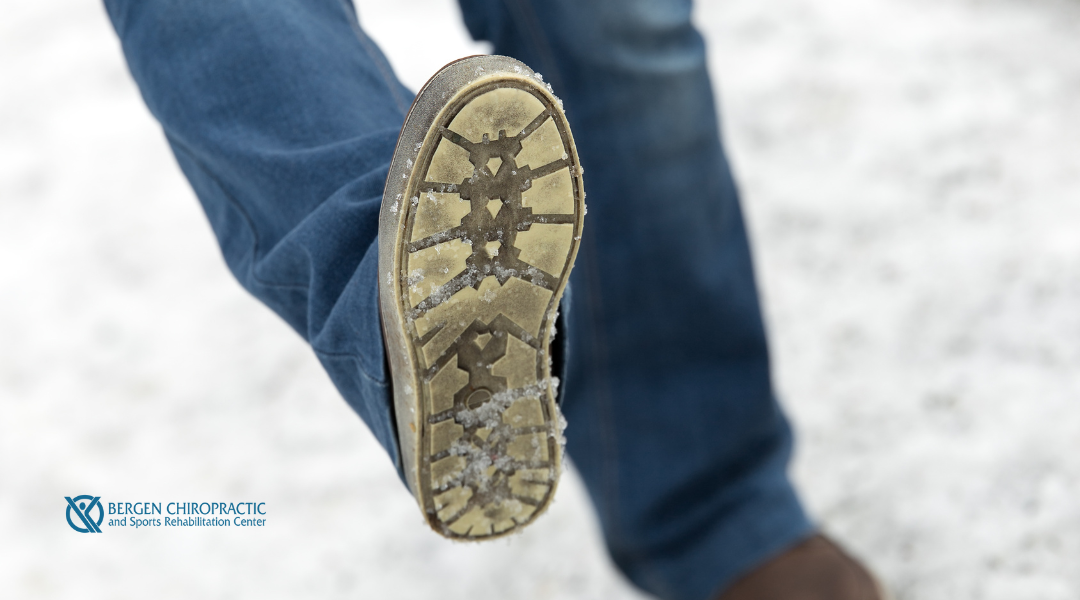
Sidewalks that appear clear can refreeze overnight, while parking lots and residential areas often remain slick long after snowfall has stopped.
Many winter falls happen during routine activities, walking into work, getting out of a car, taking out the trash, or running errands.
Because these movements feel familiar, people are often caught off guard, increasing the likelihood of awkward landings that stress the ankles, wrists, and spine.
Icy Sidewalks, Parking Lots, and Driveways in New Jersey Winters
Snowmelt during the day frequently refreezes after sunset, creating thin layers of ice that are difficult to see. Sidewalks near roadways, shaded driveways, and parking lots with uneven pavement are especially risky.
Parking lots pose added danger due to sloped surfaces, oil residue, and compacted snow, while residential driveways often become slick from repeated foot traffic. These conditions increase the chances of sudden slips that force the body to twist, brace, or absorb impact in unnatural ways.
Why Winter Falls Often Cause More Than Surface-Level Injuries
Winter falls rarely involve a simple, straight-down impact. The body instinctively tries to catch itself, leading to rolled ankles, jammed wrists, and sudden spinal compression or rotation. Even if there is no visible injury, the force of the fall can disrupt joint mechanics and spinal alignment.
These underlying issues may lead to pain, stiffness, reduced mobility, inflammation, and lingering discomfort days or weeks later. Without proper care, painful imbalances from a winter fall can develop into ongoing ankle, wrist, or back problems that interfere with daily movement and activity.
How Slip-and-Fall Accidents Impact the Musculoskeletal System
- Sudden Impact Forces and Joint Compression
When the body hits the ground or abruptly twists to regain balance, joints are compressed beyond their normal range. Ankles, wrists, hips, and spinal joints absorb much of this force, which can irritate surrounding tissues and disrupt proper joint motion. - How the Body Absorbs Trauma During a Fall
The body instinctively tries to protect the head and torso. This reflex causes people to reach out with their hands, twist through the spine, or land unevenly on one leg. While protective, these movements concentrate force into smaller areas, increasing the risk of joint injury and spinal stress. - Why Pain May Appear Days or Weeks After the Accident
Not all injuries cause immediate pain. Inflammation, muscle guarding, and joint dysfunction can develop gradually after a fall. As swelling increases and compensations build, stiffness and discomfort often appear days or even weeks later, long after the initial incident is forgotten.
Common Winter Slip-and-Fall Injuries
Winter falls commonly affect joints and regions that absorb sudden force or attempt to stabilize the body during impact. These injuries can limit mobility, alter movement patterns, and create ongoing discomfort if not properly addressed.
Ankle Sprains and Instability From Slipping on Ice
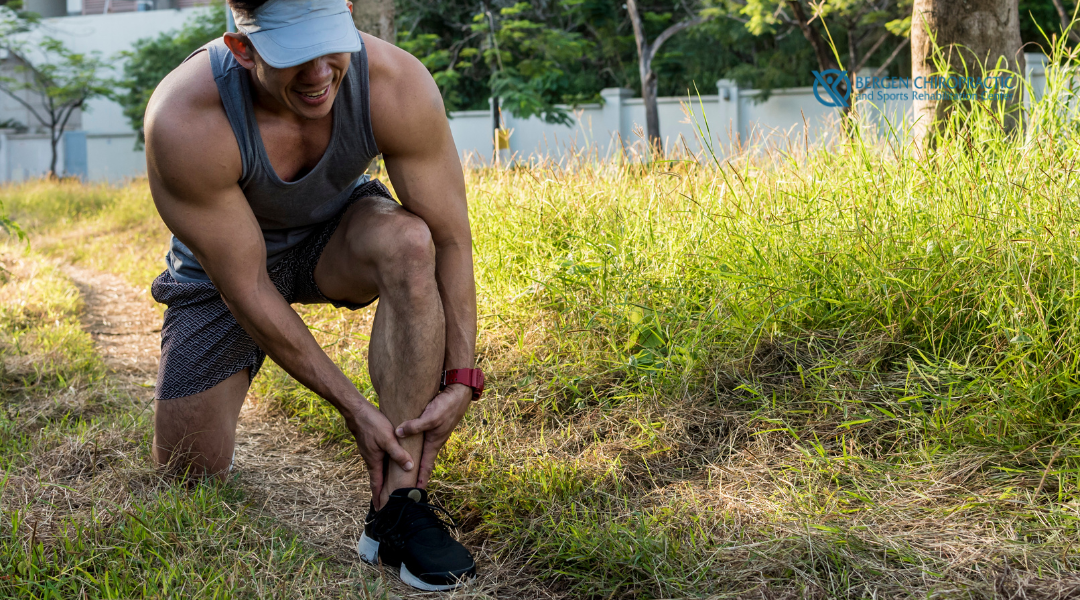
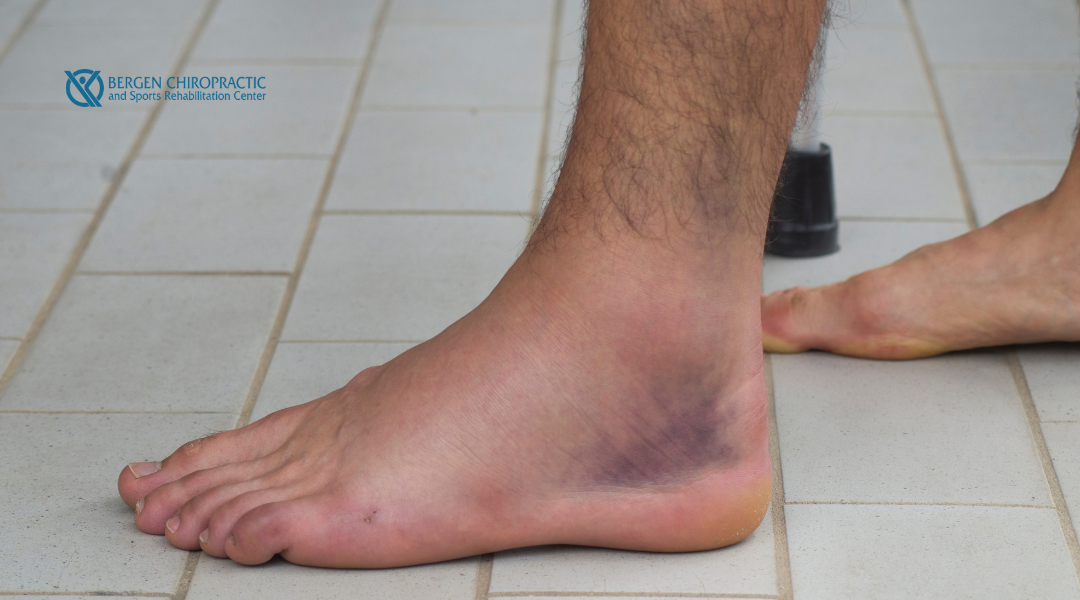
Ankles are especially vulnerable when footing is lost. Slipping on ice often causes the ankle to roll or collapse inward, stretching or tearing supporting ligaments. Even mild sprains can lead to lingering instability, weakness, and a higher risk of future falls.
Wrist Injuries and Fractures From Bracing a Fall
Wrist injuries occur when the hands instinctively reach out to break a fall. The force transmitted through the palms can strain ligaments, irritate joints, or cause fractures. These injuries often limit grip strength, range of motion, and everyday hand use.
Sacral and Lower Back Strain From Hard Landings
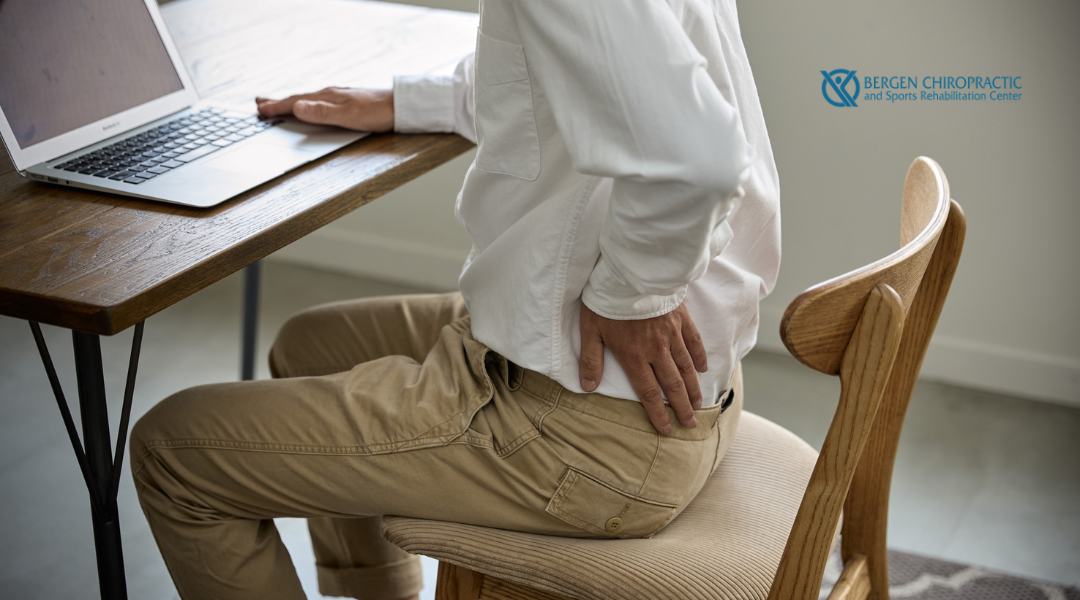
Falls that involve landing on the tailbone or pelvis place direct stress on the sacrum and lower back. This can strain muscles, irritate joints, and affect spinal alignment, leading to pain with sitting, bending, or prolonged standing.
Spinal Compression Injuries Caused by Sudden Impact
Sudden vertical impact during a fall can compress the spinal joints and discs. Even without visible injury, this compression may lead to stiffness, reduced mobility, and ongoing back discomfort that worsens with movement or activity over time.
How Chiropractic Care Treats Winter Slip-and-Fall Injuries
Chiropractic care focuses on identifying and correcting the musculoskeletal disruptions caused by winter slip-and-fall accidents. After a fall, joints may lose proper alignment, movement can become restricted, and surrounding muscles often tighten to protect the injured area. These changes can slow healing and contribute to ongoing pain if left unaddressed.
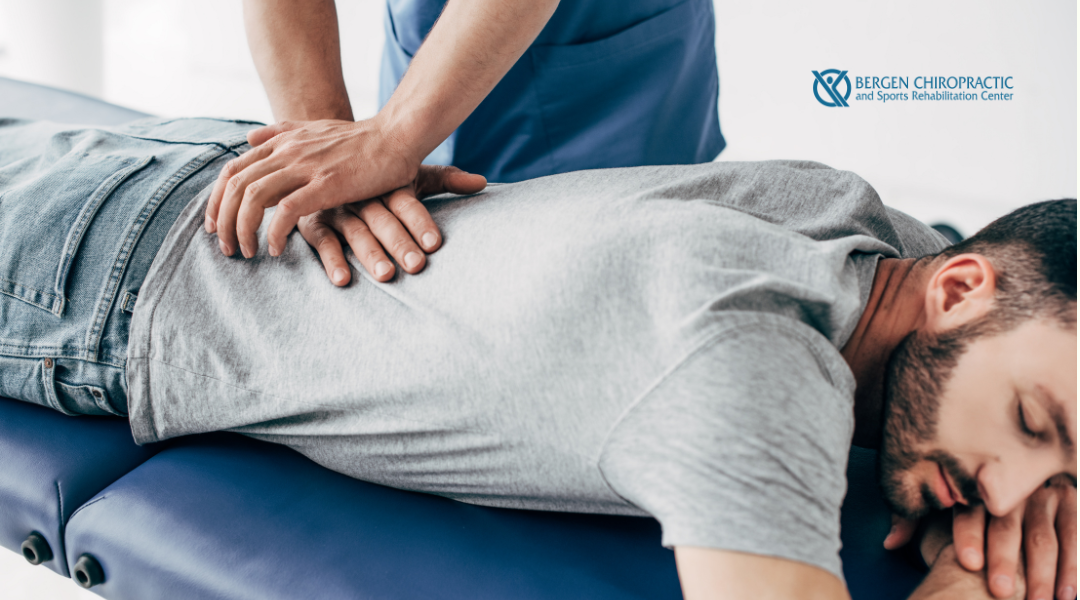
Through a thorough evaluation, chiropractic care targets joint dysfunction in the ankles, wrists, pelvis, and spine. Gentle adjustments and supportive therapies help restore proper joint motion, reduce abnormal stress on surrounding tissues, and improve overall mobility. By addressing the underlying mechanical issues caused by the fall, chiropractic care supports more efficient healing and helps prevent compensation patterns that can lead to future discomfort.
Benefits of Chiropractic Care After a Winter Fall
Receiving chiropractic care after a winter slip-and-fall accident offers both short- and long-term benefits for recovery and movement.
Chiropractic treatment can help reduce pain and stiffness by improving joint mobility and decreasing tension in surrounding muscles. Restoring proper alignment supports better posture and movement patterns, which can ease stress on injured areas during daily activities.
Chiropractic care also promotes improved circulation and nervous system function, helping the body heal more effectively. Early intervention after a fall may shorten recovery time, reduce the risk of chronic issues, and support a safer return to normal movement throughout the winter season.
Recover Safely From Winter Falls in Bergen County!
The chiropractic team at Bergen Chiropractic and Sports Rehabilitation Center adheres to the highest medical standards to provide superior chiropractic care. Our mission is to deliver unparalleled patient care in a comfortable and healing environment.
Access our contact form or call us at (201) 357-6539 to learn more about our chiropractic care services! Our offices at 532 Anderson Avenue, Cliffside Park, NJ 07010, and 62 Summit Ave, Hackensack, NJ 07601, are ready to welcome you as we proudly serve the areas of New York, New Jersey, Philadelphia, PA, and Baltimore, MD. Also, access our blog, Facebook, and Instagram pages for more information on chiropractic care!