Cold-weather training pushes the body in ways most people don’t realize. Even elite athletes feel the strain as their muscles tighten faster, joints stiffen sooner, and recovery takes longer in the winter. Yet despite these challenges, professional and competitive athletes manage to stay strong, mobile, and injury-free throughout the season.
The secret isn’t luck, but consistent support from sports-focused chiropractic care. By combining proper warm-ups, recovery routines, and targeted soft tissue and joint treatments, athletes keep their bodies performing at peak level despite the cold.

TLDR: How Bergen County Athletes Stay Injury-Free During Cold-Weather Training
- Cold temperatures tighten muscles, stiffen joints, and slow circulation, making winter one of the highest-risk training seasons for strains, sprains, and overuse injuries.
- Reduced muscle elasticity and thicker joint fluid limit power, mobility, and reaction time, increasing the likelihood of micro-tears, joint irritation, and stiffness.
- Professional athletes stay ahead of these risks with longer dynamic warm-ups, sport-specific movement prep, and mobility routines tailored to winter demands.
- Chiropractic care supports peak performance by improving alignment, restoring joint motion, releasing soft-tissue tension, and guiding recovery routines that reduce inflammation.
- Athletes seek chiropractic support at the first signs of stiffness, slower recovery, or recurring tightness to prevent minor issues from becoming winter-training setbacks.
Cold Weather Makes Athletes More Prone to Injury
Cold temperatures place added stress on the musculoskeletal system, making winter one of the highest-risk training seasons for athletes.
When the body is exposed to cold, muscles tighten, reaction times slow, and joint stiffness increases, all of which reduce overall mobility and control.
This combination makes strains, sprains, and overuse injuries more likely, especially during explosive movements like sprinting, lifting, jumping, or rapid directional changes.
Athletes who train outdoors or in low-temperature facilities must work harder to maintain optimal form, stability, and muscle readiness.
How Low Temperatures Affect Muscle Elasticity
Muscles rely on warmth to stay elastic, pliable, and resilient. In cold weather, the tissue fibers become less flexible and more resistant to stretching. This reduced elasticity makes muscles more vulnerable to microtears and strains during training.
For athletes, this can lead to tight hamstrings, stiff hip flexors, limited shoulder mobility, and reduced power output.
Maintaining muscle elasticity in winter requires longer warm-ups, consistent mobility work, and supportive soft tissue treatment to keep muscles supple and responsive under performance demands.
The Impact of Reduced Circulation and Joint Stiffness
As temperatures drop, the body conserves heat by diverting blood flow away from the extremities. While this protects the core, it leaves the limbs colder, stiffer, and slower to respond.
Less circulation means less oxygen is delivered to the muscles and slower removal of metabolic waste products, increasing fatigue and soreness.
Joints also become thicker and less lubricated, making movement feel heavy and tight. For athletes, this combination reduces joint range of motion and increases the risk of ankle sprains, knee irritation, shoulder strain, and lower-back stiffness during winter workouts.
How Bergen County Athletes Prepare Their Bodies for Winter Training
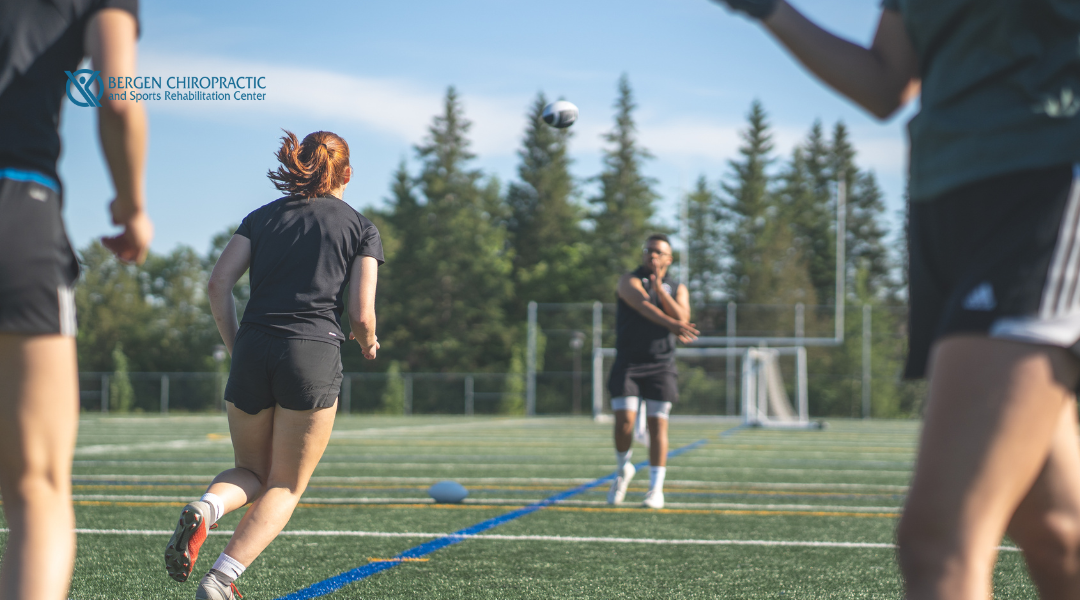
Local athletes work closely with sports chiropractors and performance specialists to address seasonal limitations before they lead to setbacks. This includes improving alignment for better movement efficiency, staying on top of soft tissue tension, and reinforcing stability in the joints most affected by cold weather.
Many athletes also schedule regular treatment sessions to keep their muscles warm, mobile, and hydrated throughout the season, ensuring their bodies respond quickly and safely to the demands of cold weather.
Dynamic Warm-Ups That Boost Flexibility
Dynamic warm-ups are essential for winter training because they raise body temperature, increase blood flow, and activate the neuromuscular system. Instead of static stretches, athletes focus on movement-based patterns that prime key muscle groups for action.
These may include leg swings, hip openers, walking lunges, inchworms, arm circles, lateral shuffles, and controlled plyometrics. This style of warm-up not only enhances flexibility but also improves coordination, balance, and joint mobility, reducing the likelihood of injury during high-intensity training in cold environments.
Sport-Specific Movement Prep for Cold Conditions
Professional athletes tailor their winter warm-ups to the exact movements their sport demands. Runners emphasize ankle mobility, glute activation, and light tempo drills. Hockey players prioritize hip rotation, thoracic mobility, and explosive lateral movement.
Weightlifters warm the shoulders, wrists, and core to maintain stability under heavier loads. Basketball and soccer players prepare with multidirectional footwork to protect knees and ankles. This targeted prep ensures the body is ready for the sport’s unique stresses, even when temperatures are low, and the risk of injury is higher.
Chiropractic Strategies That Help Athletes Stay Injury-Free
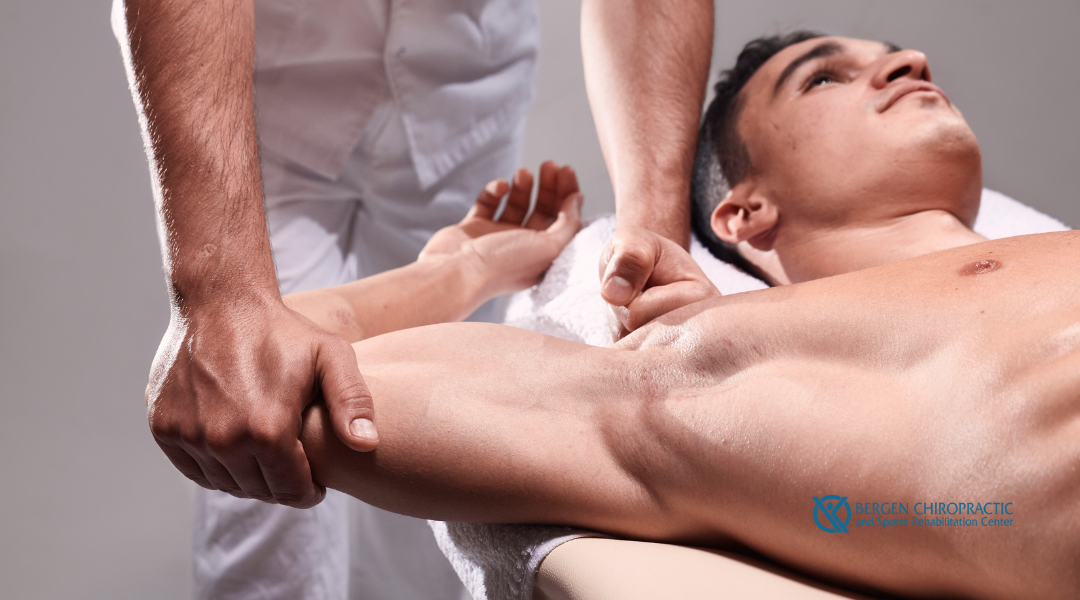
Athletes training through Bergen County’s cold season rely on chiropractic care to keep their bodies functioning efficiently despite low temperatures and tighter tissues. Chiropractic strategies focus on restoring mobility, correcting imbalances, and supporting the musculoskeletal system so athletes can generate power without putting excessive strain on vulnerable joints and muscles. By combining adjustments, soft tissue treatment, mobility training, and recovery protocols, chiropractors help athletes move better, recover faster, and stay ahead of winter-related injuries.
Maintaining Proper Alignment for Power and Stability
Proper alignment is essential for athletic performance, especially in winter when the body naturally stiffens. Misalignments in the spine, hips, or pelvis interfere with power transfer, decrease stability, and force muscles to work harder just to maintain form. Chiropractic adjustments restore ideal alignment so the body can move efficiently and symmetrically. For athletes, this translates to stronger lifts, cleaner sprint mechanics, improved balance, and reduced strain on vulnerable joints like the knees, ankles, and shoulders.
Improving Range of Motion Through Targeted Adjustments
Cold weather naturally limits mobility, but chiropractic adjustments help counteract this restriction. By gently improving joint motion in the spine, hips, ankles, and shoulders, adjustments free up areas that become stiff when temperatures drop. Increased range of motion leads to better technique, smoother movement patterns, and less compensatory stress on surrounding tissues. Whether it’s a runner trying to maintain stride length or a hockey player needing deeper hip rotation, targeted adjustments help athletes stay fluid and mobile through winter training.
Myofascial Release and Soft Tissue Work for Winter Tightness
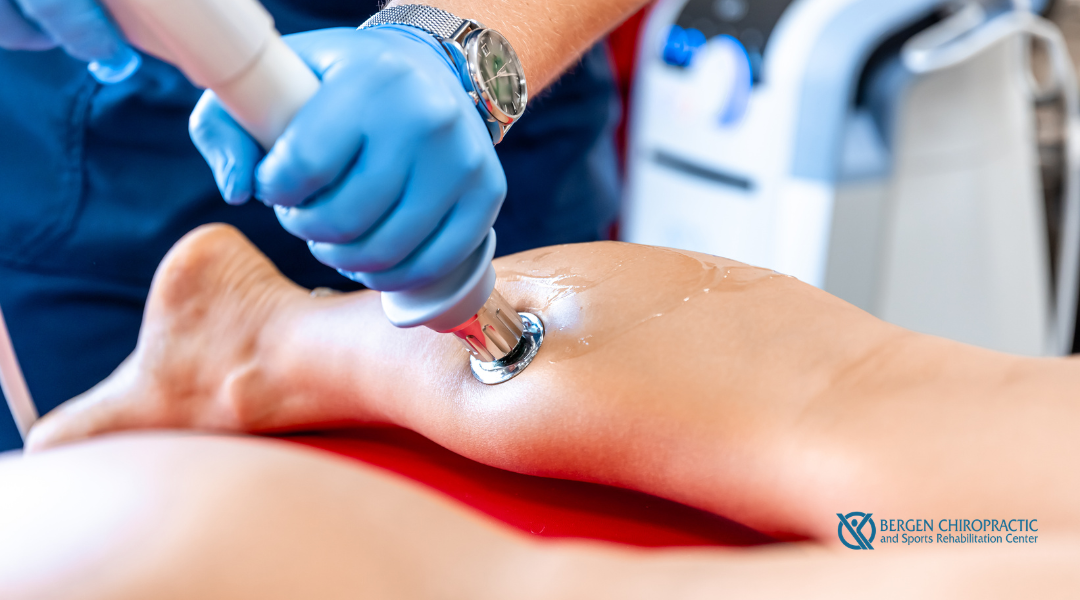
Soft tissue techniques are crucial for athletes because cold temperatures create dense, tight, and rigid muscles. Myofascial release, trigger point therapy, and instrument-assisted soft tissue mobilization break down adhesions, release deep tension, and restore elasticity to muscles and fascia. This improves flexibility, reduces stiffness, and lowers the risk of strains and micro-tears. Winter athletes especially benefit from soft tissue work around the calves, hamstrings, hip flexors, quads, shoulders, and low back—the areas most affected by cold-weather training.
Post-Training Recovery Routines That Reduce Inflammation
Recovery becomes even more important in winter, when muscles take longer to warm up and cool down. Chiropractors guide athletes through structured recovery routines that reduce inflammation and speed up healing.
These may include gentle mobility work, soft tissue therapy, cold laser, cryotherapy, contrast therapy, and stretching protocols.
Proper recovery flushes out metabolic waste, reduces swelling, protects joints from excessive stress, and prepares the body for the next session, ensuring athletes maintain consistent performance throughout the season without burnout or injury.
When Athletes Should Seek Chiropractic Support
Athletes don’t need to be in pain to benefit from chiropractic care, especially during the winter months when the body is under extra stress. You should seek chiropractic support if you notice early signs of stiffness, reduced mobility, or recurring tightness that doesn’t improve with stretching or warm-ups. These subtle changes are often the first indicators that joints or soft tissues aren’t moving efficiently.
Chiropractic care is also recommended if you’re experiencing slower recovery times, lingering soreness after training, or a decrease in performance quality, such as reduced stride length, weaker lifts, or difficulty maintaining proper form. Even mild imbalances can create bigger issues in cold weather, when muscles tighten faster, and joints stiffen more easily.
For athletes dealing with past injuries, like knee pain, ankle sprains, hip tightness, shoulder strain, or lower back pain, winter is the season when flare-ups are most likely. Chiropractic evaluation can catch these issues early, restore proper movement, and prevent them from turning into setbacks that interrupt your training schedule.
If any discomfort persists for more than a few days, interferes with your sport-specific movements, or impacts your ability to warm up effectively, it’s time to get assessed. With consistent care, athletes in Bergen County can stay strong, mobile, and injury-free all winter long.

Optimize Your Winter Training with Chiropractic Support!
The chiropractic team at Bergen Chiropractic and Sports Rehabilitation Center adheres to the highest medical standards to provide superior chiropractic care. Our mission is to deliver unparalleled patient care in a comfortable and healing environment.
Access our contact form or call us at (201) 357-6539 to learn more about our chiropractic care services! Our offices at 532 Anderson Avenue, Cliffside Park, NJ 07010, and 62 Summit Ave, Hackensack, NJ 07601, are ready to welcome you as we proudly serve the areas of New York, New Jersey, Philadelphia, PA, and Baltimore, MD. Also, access our blog, Facebook, and Instagram pages for more information on chiropractic care!