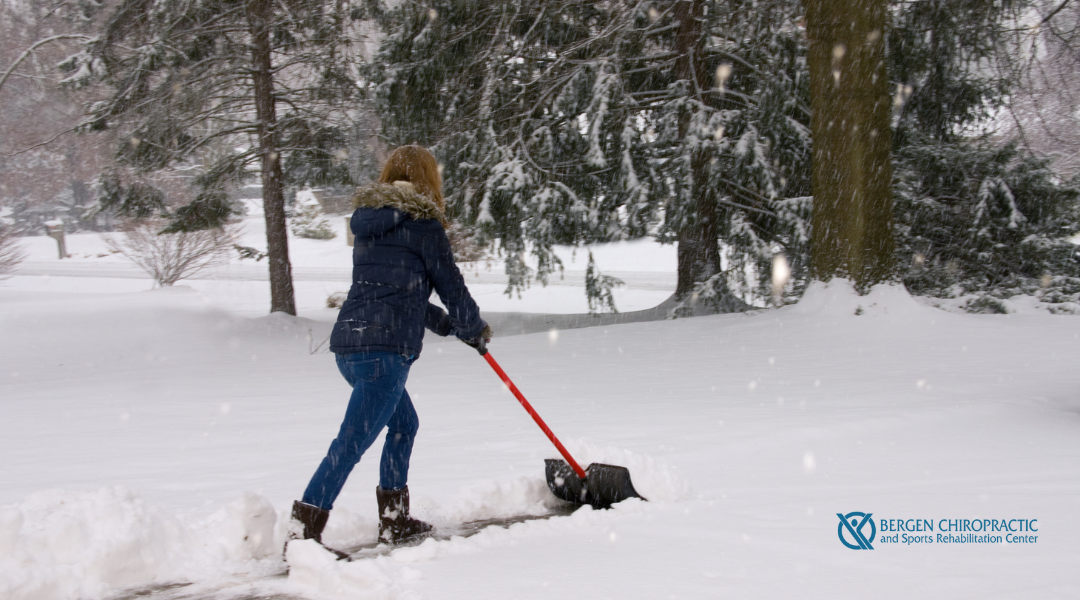
Sudden drops in temperature, changing barometric pressure, dry indoor air, and muscle tension from cold exposure can all place extra stress on the head, neck, and upper spine.
Weather-induced headaches and winter migraines are not just about sensitivity to the weather. They are often associated with restricted spinal movement, tight neck and shoulder muscles, nerve irritation, and altered posture from heavy clothing and reduced activity.
When these issues are left unaddressed, headaches can become more frequent, more intense, and harder to manage as the season continues.
Chiropractic migraine care helps treat the root causes, not just the symptoms, so you can move through the colder months with clearer focus and fewer painful interruptions.

Why Winter Triggers Migraines and Headaches Differently
Winter headaches and migraines are not simply the same head pain experienced year-round. Cold weather introduces unique stressors that affect circulation, muscle tone, and nervous system regulation.
In Bergen County, frequent temperature swings and winter storms create conditions that place additional strain on the head, neck, and upper spine, often making headaches more intense and longer-lasting than in warmer months.
How Cold Temperatures Affect Blood Flow and Nerve Sensitivity
Cold exposure causes blood vessels to constrict as the body works to preserve heat. This reduced blood flow can limit oxygen delivery to the head and neck while increasing nerve sensitivity.
For individuals prone to headaches or migraines, this change in circulation can act as a trigger, especially when combined with muscle tension and spinal stiffness.
Why Winter Headaches Feel More Intense or Persistent
When circulation is restricted and nerves become more reactive, headaches may last longer and feel more severe. Cold muscles also fatigue more quickly and recover more slowly, allowing tension to build throughout the day. This combination often leads to headaches that are harder to shake and more likely to return repeatedly during the winter season.
Barometric Pressure Changes in New Jersey Winters
Sudden changes in barometric pressure require the body to constantly adapt. For some individuals, the nervous system struggles to effectively regulate this stress, leading to heightened sensitivity and inflammation. This increased stress response can contribute to the onset of headaches, particularly in those with underlying spinal or nerve tension.
These changes can alter pressure within the skull and surrounding tissues, increasing irritation of sensitive nerves. For migraine sufferers, this often results in throbbing pain, light sensitivity, and other classic migraine symptoms that worsen during winter storms.
Cold Weather Muscle Tension and Head Pain
Cold temperatures naturally cause muscles to tighten in an effort to conserve heat. Over time, this constant tension can affect the muscles that support the neck, shoulders, and upper back, creating a direct pathway to head pain.
Neck and Upper Back Tightness From Cold Exposure
When the neck and upper back muscles remain tight, they restrict normal movement of the cervical spine. This stiffness can irritate nerves that travel into the head, contributing to cervicogenic headaches and increasing the likelihood of migraines during colder months.
Shoulder and Jaw Tension Linked to Tension Headaches
Cold stress and winter habits such as clenching the jaw or hunching the shoulders can lead to tension headaches. Tight jaw and shoulder muscles place added strain on the upper spine, often resulting in dull, pressure like head pain that builds gradually throughout the day.
Winter Posture Contributes to Head and Neck Strain
Heavy coats, scarves, and layered clothing can subtly alter posture by pulling the shoulders forward and limiting natural movement. Combined with less physical activity and more time spent indoors, this posture shift increases strain on the neck and head.
How Chiropractic Care Addresses the Root Causes of Winter Headaches
Chiropractic care focuses on identifying and correcting the underlying physical factors that contribute to headaches, rather than masking symptoms. During winter, restricted movement, muscle tension, and nervous system stress often combine to create persistent head pain. By addressing these root causes, chiropractic care helps reduce headache frequency and intensity throughout the colder months.
Improving Spinal Alignment and Nervous System Function
The spine plays a central role in nervous system communication. When joints in the neck or upper back are misaligned or not moving properly, nerve signals can become irritated or disrupted.
Chiropractic adjustments help restore proper alignment and movement, allowing the nervous system to function more efficiently. This improved communication can reduce headache triggers related to nerve sensitivity and stress response.
Reducing Neck and Upper Back Tension
Cold weather causes muscles to tighten, particularly in the neck and upper back, where tension commonly builds. Prolonged muscle tightness restricts blood flow and compresses surrounding nerves.
Chiropractic care helps release this tension through targeted adjustments and soft tissue techniques, improving circulation and reducing the muscular stress that often leads to head pain.
Restoring Proper Joint Mobility to Decrease Head Pain
Limited joint mobility in the cervical and upper thoracic spine can contribute directly to headaches. When these joints do not move properly, surrounding muscles and nerves compensate, increasing strain on the head and neck.
Chiropractic adjustments restore healthy joint motion, helping the body move more freely and decreasing the mechanical stress that contributes to winter headaches.

Why Chiropractic Care Is Effective for Winter Migraines
Winter migraines are often triggered by a combination of environmental stressors and physical dysfunction. Chiropractic care addresses both by supporting spinal health, improving nervous system regulation, and reducing musculoskeletal tension.
Rather than relying solely on medication, chiropractic care offers a natural approach that helps the body adapt to seasonal stress and reduces the likelihood of recurring migraines during the winter months.
When to See a Chiropractor for Winter Headaches
You should consider seeing a chiropractor if headaches or migraines become more frequent during cold weather, last longer than usual, or interfere with daily activities.
Neck stiffness, upper back tension, jaw tightness, or headaches that worsen with posture or movement are also signs that spinal involvement may be contributing to your symptoms.
Find Relief From Winter Headaches in Bergen County with Bergen Chiropractic!
The chiropractic team at Bergen Chiropractic and Sports Rehabilitation Center adheres to the highest medical standards to provide superior chiropractic care. Our mission is to deliver unparalleled patient care in a comfortable and healing environment.
Access our contact form or call us at (201) 357-6539 to learn more about our chiropractic care services! Our offices at 532 Anderson Avenue, Cliffside Park, NJ 07010, and 62 Summit Ave, Hackensack, NJ 07601, are ready to welcome you as we proudly serve the areas of New York, New Jersey, Philadelphia, PA, and Baltimore, MD. Also, access our blog, Facebook, and Instagram pages for more information on chiropractic care!