Colder temperatures change the way blood flows through your body, tighten the soft tissues around your joints, and make old injuries feel more sensitive than usual.
If you’ve ever wondered why your knees ache more in December or why your hands feel puffy on frigid mornings, you’re not imagining it.
The good news is that targeted chiropractic soft tissue treatment can counter these cold-weather effects. Soft tissue therapy helps your joints move the way they’re meant to.

TLDR: Soft Tissue Therapy Brings Relief to Winter Swelling
- Cold temperatures restrict circulation, tighten soft tissues, and thicken joint fluid, making swelling, stiffness, and old injuries more noticeable in winter.
- Reduced blood flow to the extremities slows healing, increases sensitivity, and makes chronic inflammatory conditions like arthritis, bursitis, and tendonitis flare more intensely.
- Muscles, tendons, and ligaments contract in cold weather, decreasing flexibility, increasing strain, and adding stress that contributes to swelling around major joints.
- Soft tissue therapy restores mobility, improves circulation, reduces tension, and enhances lymphatic drainage, leading to less puffiness, faster recovery, and better winter comfort.
- Persistent swelling, stiffness, or limited mobility should be evaluated by a chiropractor, who can create a winter-specific treatment plan to protect joints and reduce inflammation all season long.
How Cold Weather Affects Circulation
When temperatures drop, your body automatically redirects blood flow toward your core organs to preserve heat. While this response helps keep you warm, it reduces circulation to your arms, legs, and joints.
With less warm, oxygen-rich blood reaching your extremities, tissues become tighter and more sensitive. This decrease in circulation can make existing inflammation feel worse and can slow down your body’s natural healing processes, one of the main reasons people experience more stiffness, swelling, and discomfort during winter months.
Joints Feel Stiffer in Low Temperatures
Cold weather lowers the temperature of the synovial fluid inside your joints, the fluid responsible for smooth, pain-free movement. When this fluid thickens, joints become noticeably stiffer and harder to move.
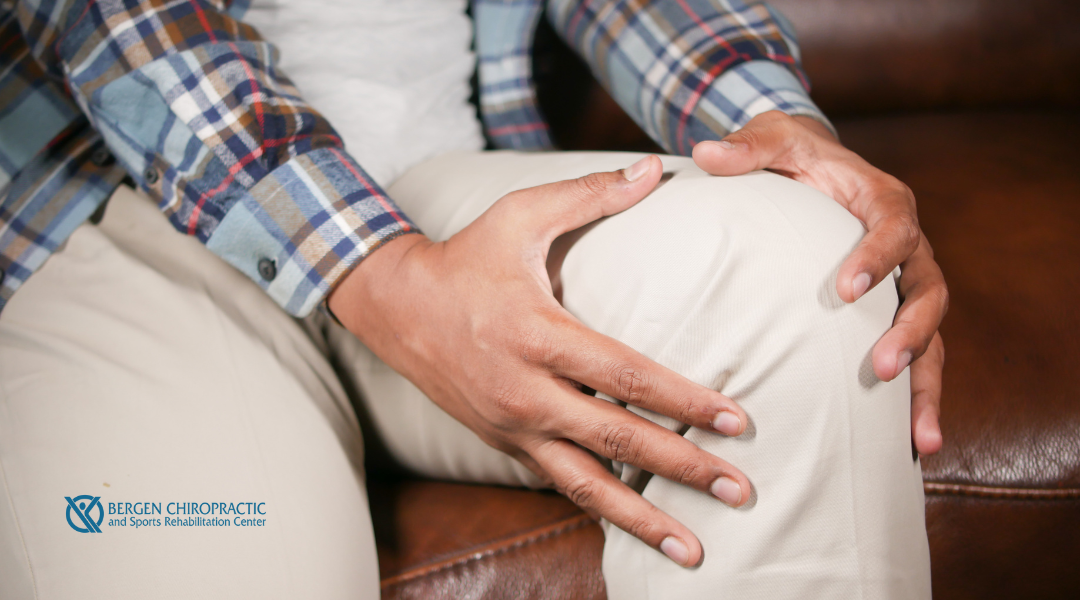
For those with arthritis or old injuries, this stiffness can be even more pronounced, often leading to more swelling around the affected joints.
What Causes Winter Inflammation in the Body
Inflammation tends to increase in winter because of several overlapping factors. Cold temperatures cause muscles and blood vessels to contract, placing additional stress on surrounding tissues.
Limited circulation also means the body struggles to clear out inflammatory waste products as efficiently. For people with chronic conditions such as bursitis or tendonitis, this can result in flare-ups that feel sharper and more persistent.
How Muscles and Connective Tissues React to the Cold
Muscles, tendons, and ligaments naturally tighten in response to cold weather, acting almost like they’re bracing against the chill. This protective tension reduces flexibility and increases the likelihood of micro-tears or strains, especially during activities like shoveling snow, winter running, or even sitting for long periods in a chilly environment.
Connective tissues also become less elastic in low temperatures, which adds stress to joints and can contribute to inflammation or swelling. As these structures stiffen, they limit your range of motion, making targeted soft-tissue treatment especially beneficial in winter to keep the body moving comfortably and safely.
How Soft Tissue Treatment Reduces Winter Swelling
Soft tissue therapy targets the muscles, fascia, tendons, and ligaments that tighten in low temperatures. It helps restore normal movement and reduces joint stress. When these tissues are more relaxed and better hydrated, your body can circulate fluids more effectively, flush out inflammatory byproducts, and reduce swelling.
Improving Circulation and Fluid Movement
Soft tissue therapy boosts blood flow to areas that become sluggish in winter. Techniques such as myofascial release, instrument-assisted soft tissue mobilization, and targeted massage encourage warm, oxygen-rich blood to return to stiff or swollen tissues.
This increase in circulation also improves lymphatic drainage, helping your body move excess fluid out of inflamed areas. The result is less joint puffiness, faster recovery after activity, and reduced sensitivity to cold-weather flare-ups.
Breaking Up Tension That Contributes to Inflammation
Cold temperatures cause your muscles and connective tissues to contract, which traps tension in the body. This tension restricts movement, irritates nearby joints, and creates micro-stress that leads to inflammation.
Soft tissue therapy works to break up these tight, adhesive areas so the tissues can lengthen and move properly again. As restrictions dissolve, pressure around the joints decreases, inflammation subsides, and mobility improves, especially in commonly affected regions like the knees, hips, shoulders, and lower back.
Chiropractic Techniques That Support Swelling Relief
Chiropractors use a combination of soft-tissue techniques and gentle joint adjustments to address winter swelling from multiple angles. These may include:
- Myofascial release to reduce fascial tightness.
- Trigger point therapy to calm overactive, irritated muscle fibers.
- Instrument-assisted techniques (such as Graston-style tools) to break down adhesions.
- Gentle joint mobilization to restore proper movement.
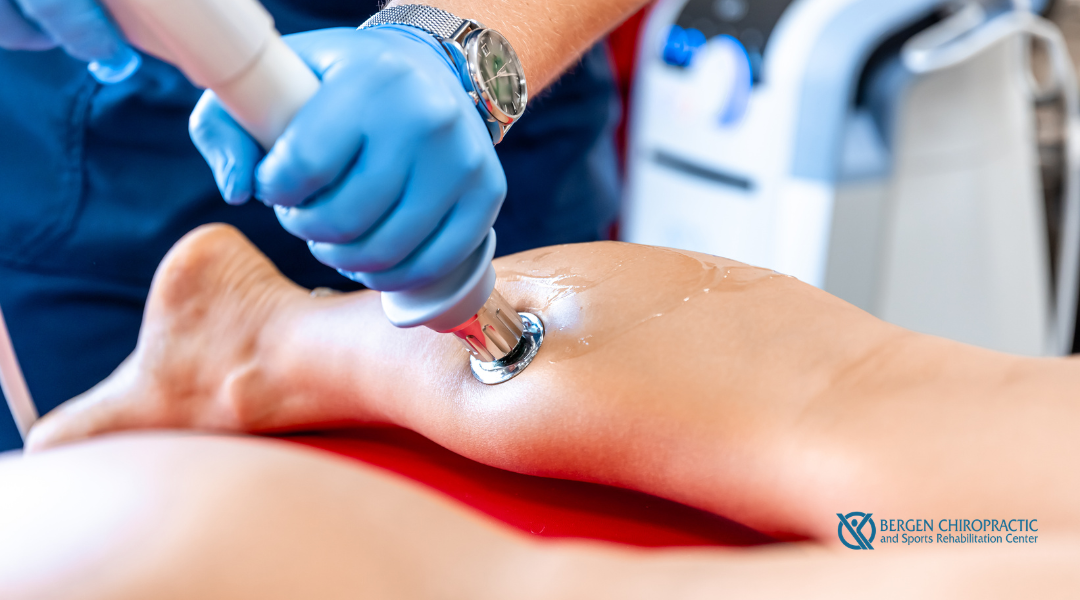
- Cold laser therapy or therapeutic ultrasound to decrease inflammation.
When to Seek Help for Persistent Swelling
Swelling that lingers can be a sign that your body is struggling to move fluid effectively, or that the cold is aggravating underlying joint or soft-tissue issues.
You should seek chiropractic evaluation if swelling lasts more than a few days, worsens with activity, limits your mobility, or is accompanied by stiffness, numbness, or sharp pain.
Early assessment allows your chiropractor to identify the root cause, reduce inflammation safely, and create a winter-specific treatment plan that protects your joints throughout the season.
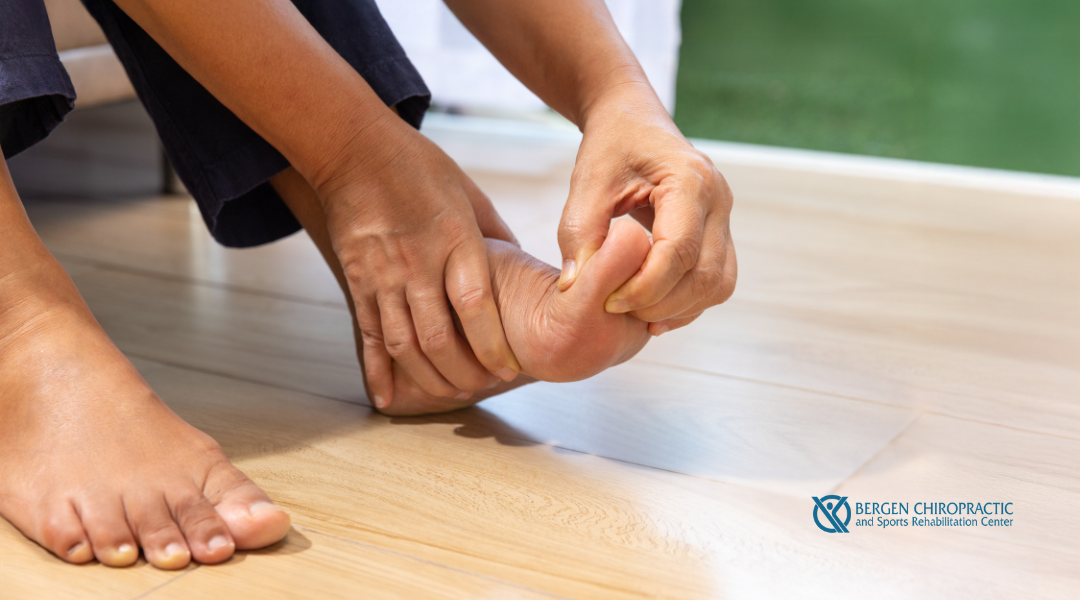
Get Relief From Cold-Weather Inflammation!
The chiropractic team at Bergen Chiropractic and Sports Rehabilitation Center adheres to the highest medical standards to provide superior chiropractic care. Our mission is to deliver unparalleled patient care in a comfortable and healing environment.
Access our contact form or call us at (201) 357-6539 to learn more about our chiropractic care services! Our offices at 532 Anderson Avenue, Cliffside Park, NJ 07010, and 62 Summit Ave, Hackensack, NJ 07601, are ready to welcome you as we proudly serve the areas of New York, New Jersey, Philadelphia, PA, and Baltimore, MD. Also, access our blog, Facebook, and Instagram pages for more information on chiropractic care!