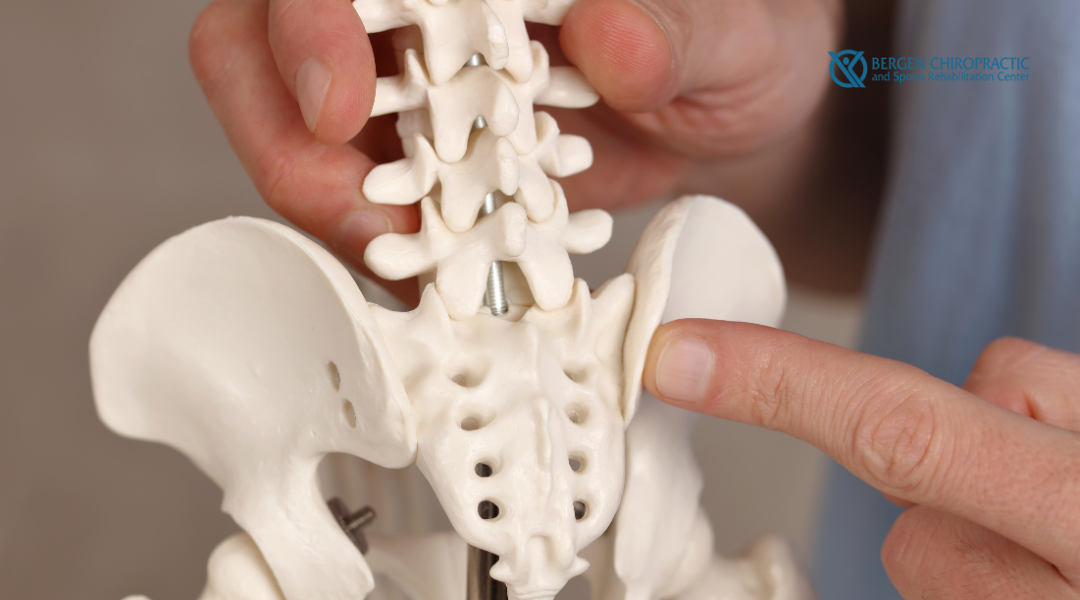
Your tailbone usually hurts when you sit because sitting puts direct pressure on the coccyx, the small bone at the very bottom of your spine. That pressure can aggravate bruising, strain, or irritation in the bone and the surrounding tissue. This pain is called coccydynia.
Common causes include falls, childbirth, prolonged sitting, poor sitting posture, repetitive pressure, and stiffness or tension in the pelvis and lower back. Sometimes there’s no obvious injury.
Here’s what typically causes tailbone pain, what helps, and when it’s time to get it checked.

5 Common Causes of Tailbone Pain
Tailbone pain usually develops when the coccyx or the muscles, ligaments, and joints around it are irritated or placed under repeated pressure.
1. Prolonged Sitting
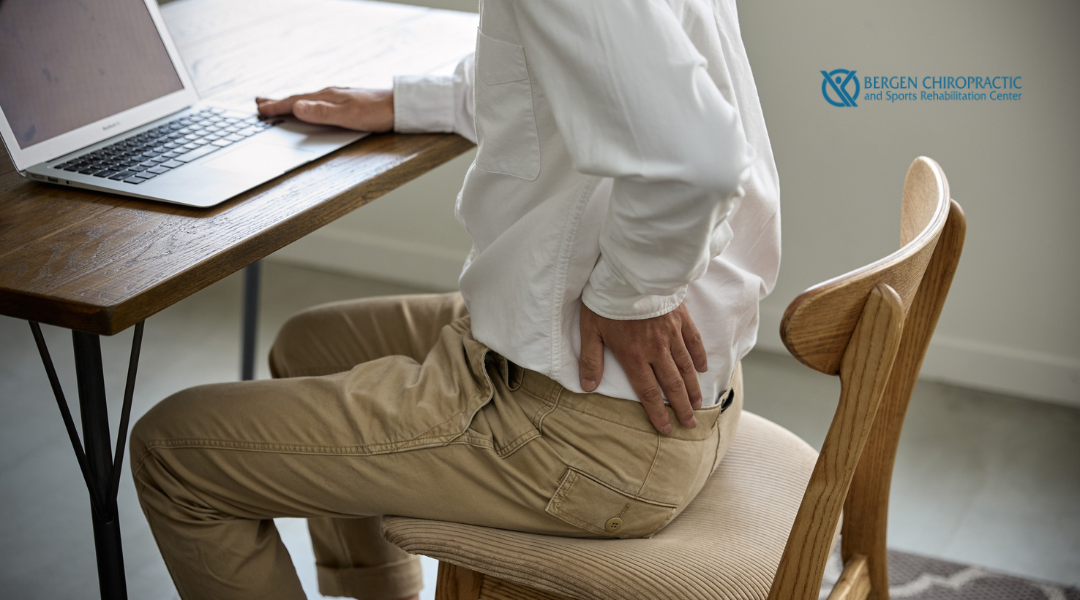
Sitting for long periods presses directly on the coccyx, especially on hard surfaces. Long workdays at a desk, driving, and travel can all make the pain build the longer you stay seated.
2. Falls, Injuries, or Childbirth
Landing hard on your buttocks, like a backward slip on ice, can bruise or injure the coccyx and surrounding tissue. Childbirth can also strain the ligaments and muscles around the tailbone. Pain from these causes is often worst when sitting down, standing up, or leaning back.
3. Poor Sitting Posture
Slouching, or sitting with your pelvis tilted backward, shifts more of your weight onto the tailbone. Over a full day of sitting, this posture can gradually irritate the area.
4. Repetitive Strain
Cycling, rowing, and other activities that keep you in a seated position under load put repeated pressure on the coccyx and can irritate the surrounding tissue.
5. Pelvic and Lower Back Dysfunction
The coccyx attaches to the sacrum and works with the muscles and ligaments of the pelvis and lower back. Stiffness or tension in these areas, including the sacroiliac joints, can change how pressure is distributed when you sit and keep the pain going.
What Helps Tailbone Pain From Sitting?
Start by taking pressure off the coccyx. Take regular breaks from sitting, shift positions often, lean slightly forward when seated, and adjust your workstation.
A coccyx cushion with a cutout at the back can make sitting much more comfortable. Depending on the cause, gentle mobility work and targeted rehab exercises can address the stiffness, weakness, or movement habits behind the pain.
If the pain keeps coming back, avoiding sitting won’t fix it. An evaluation can identify what’s driving it and which treatment fits.
Can Chiropractic Care Help With Tailbone Pain?
Yes, when tailbone pain is tied to musculoskeletal issues in the lower back, sacrum, pelvis, or surrounding soft tissue.
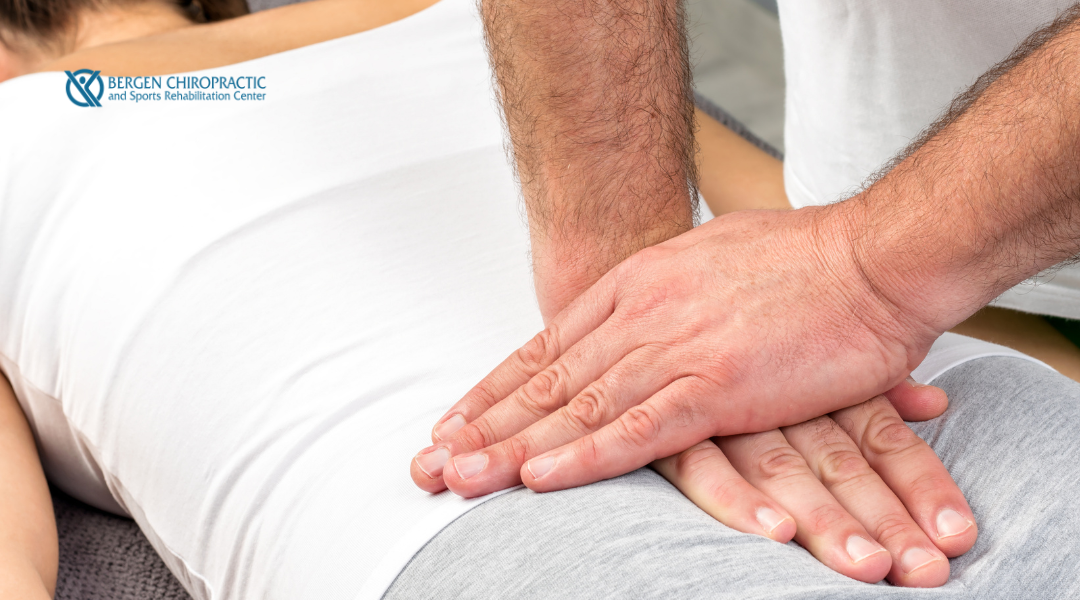
At Bergen Chiropractic and Sports Rehabilitation Center, care can include chiropractic adjustments, soft tissue techniques, and targeted rehabilitation exercises based on your exam. Treatment focuses on improving mobility, easing muscle tension, and correcting movement patterns that stress the painful area.
The goal is to find why sitting is causing pain and address what’s behind it, not treat every case the same way.
When Should You Seek Care for Tailbone Pain?
Get tailbone pain evaluated if it’s persistent, getting worse, keeps returning, or makes it hard to sit through your day. Any pain after a significant fall should also be checked.
Seek prompt medical care if tailbone pain comes with:
- Numbness or weakness in the legs
- Loss of bladder or bowel control
- Fever, redness, or swelling near the tailbone
- Unexplained weight loss
- Pain at night that doesn’t ease when you change position
These signs can point to something beyond a straightforward musculoskeletal problem.
Tailbone Pain FAQs
Can tailbone pain happen without an injury?
Yes. Prolonged sitting, repetitive pressure, poor sitting posture, and problems in the surrounding muscles, pelvis, or lower back can all cause tailbone pain without a fall or direct injury. Sometimes no clear trigger is ever found.
How long does tailbone pain usually last?
Mild tailbone pain often improves within a few days to a few weeks once the area is protected from pressure. A more significant injury can take several weeks or longer. If the pain isn’t improving, keeps returning, or gets in the way of sitting and daily activities, have it evaluated.
Is walking good for tailbone pain?
Usually, yes. Walking takes pressure off the coccyx and helps prevent stiffness from sitting too much. It shouldn’t noticeably increase your pain, though. If walking or other movements consistently make symptoms worse, an evaluation can find out why.
Find the Right Treatment for Your Tailbone Pain with Bergen Chiropractic!
The chiropractic team at Bergen Chiropractic and Sports Rehabilitation Center adheres to the highest medical standards to provide superior chiropractic care.
Our mission is to deliver unparalleled patient care in a comfortable and healing environment.
Access our contact form or call us at (201) 945-4075 to learn more about our chiropractic care services! Our offices at 532 Anderson Avenue, Cliffside Park, NJ 07010, and 62 Summit Ave, Hackensack, NJ 07601, are ready to welcome you as we proudly serve the areas of New York, New Jersey, Philadelphia, PA, and Baltimore, MD.
Also, access our blog, Facebook, and Instagram pages for more information on chiropractic care!