Yes. When piriformis syndrome is musculoskeletal, chiropractic care can help by improving hip and pelvic mobility, releasing muscle tension, and correcting the movement patterns that keep irritating the muscle.
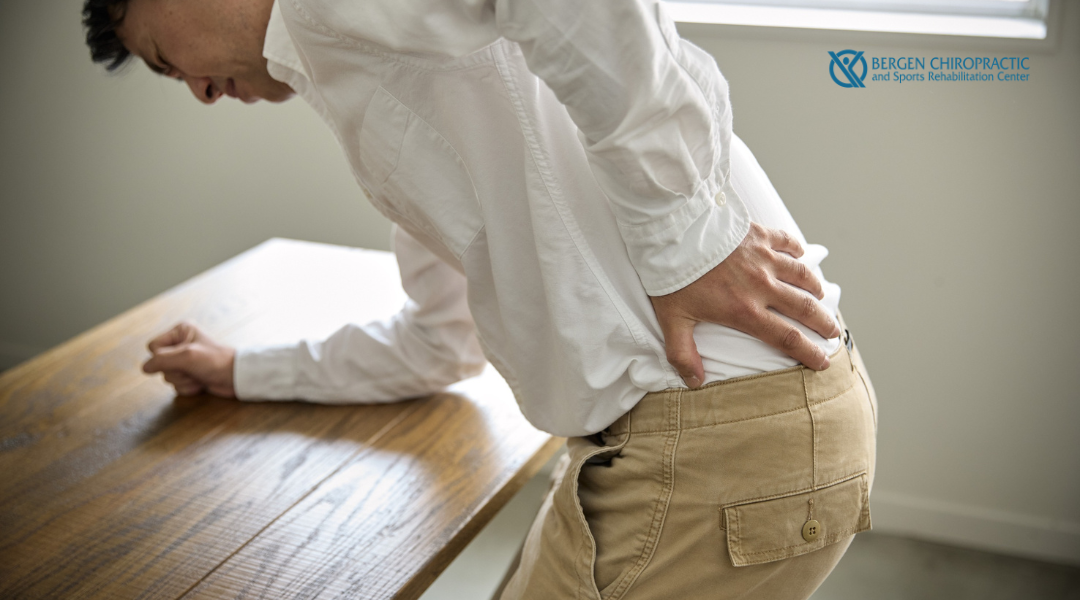
Piriformis syndrome happens when the piriformis, a small muscle deep in the buttock, becomes tight, irritated, or inflamed and affects the nearby sciatic nerve. The result is often a deep buttock ache that flares when you sit, climb stairs, or run. Some people also feel pain, tingling, or numbness down the back of the leg.
Here’s how to recognize it, how chiropractors assess it, and what treatment looks like.

Why Can the Piriformis Muscle Cause Sciatic-Like Pain?
The piriformis sits close to the sciatic nerve, so when the muscle tightens or swells, it can irritate the nerve and mimic sciatica.
The muscle runs from the base of the spine to the top of the thigh bone. It rotates the hip, stabilizes the pelvis, and controls the leg when you walk. In some people, the sciatic nerve runs under, over, or even through it, which makes them more prone to irritation.
Symptoms usually start deep in the buttock and may travel down the back of the thigh, sometimes with tingling, numbness, or burning. But not all leg pain comes from the piriformis. A disc or lower back problem can cause nearly identical symptoms, which is why finding the true source comes before treatment.
Signs Your Buttock and Leg Pain Could Be Piriformis Syndrome
Piriformis syndrome typically affects one side of the buttock and changes with position or activity. Common signs include:
- Deep pain or tenderness in the buttock: An ache, tightness, or tender spot deep in one side of the buttock, right over the piriformis.
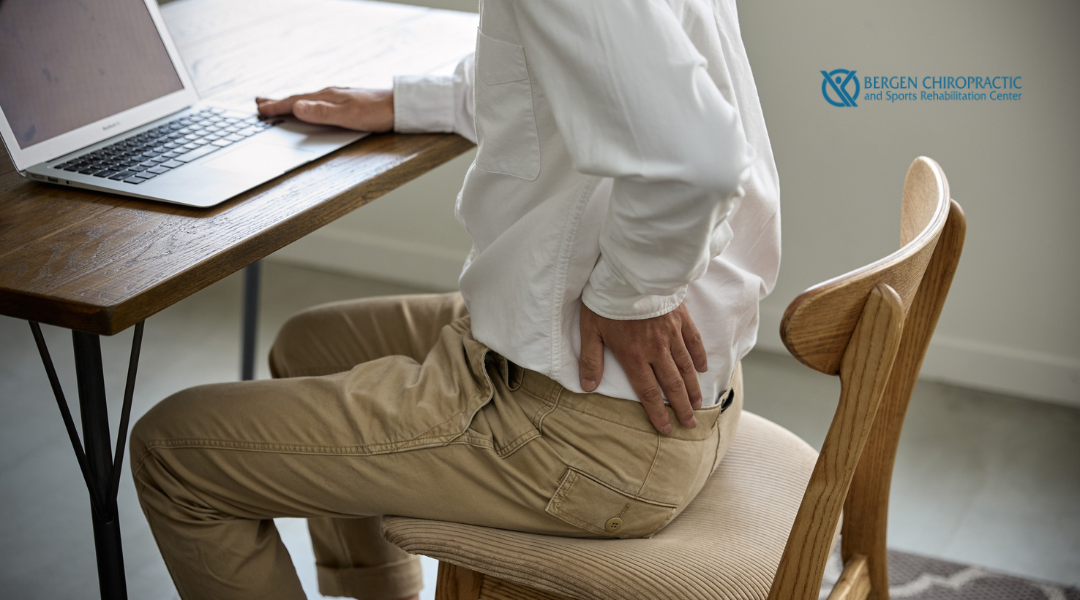
- Pain that worsens after prolonged sitting: Sitting compresses the buttock and locks the hip in one position, so symptoms often build after desk work, driving, or travel. (Sitting can also aggravate the lower back.)
- Discomfort that travels down the back of the leg: Irritation near the sciatic nerve can send pain or tingling into the back of the thigh or leg.
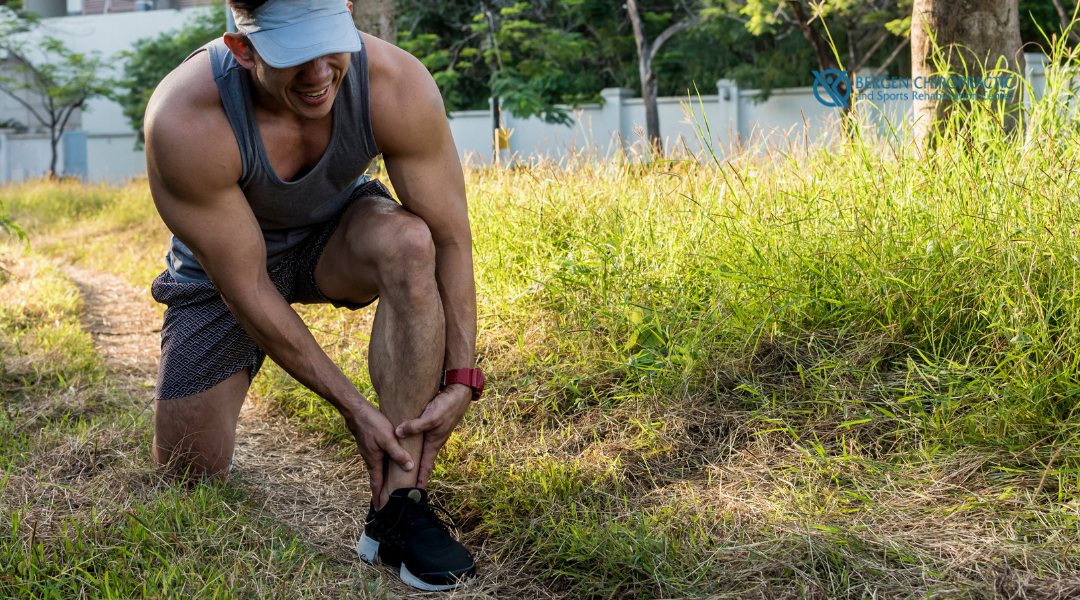
- Pain during running, climbing stairs, or certain hip movements: Running, walking uphill, squatting, and rotating the hip all load the piriformis and can reproduce the pain.
These symptoms overlap with other hip, lower back, and nerve conditions. A musculoskeletal evaluation shows whether the piriformis is really involved.
When Should Buttock or Leg Pain Be Checked Right Away?
Seek urgent medical care if your symptoms include:
- Loss of bladder or bowel control.
- Numbness in the groin or inner thighs.
- Leg weakness that gets worse, or trouble lifting your foot.
- Severe pain after a fall or accident.
- Fever along with back or leg pain.
How Chiropractic Care May Help With Piriformis Syndrome
Effective care looks past the sore muscle to the joints, muscles, and movement patterns behind it. At Bergen Chiropractic and Sports Rehabilitation Center, treatment may include:
- Improving hip and pelvic mobility: Restrictions in the hips, pelvis, or lower back change how force moves through the surrounding muscles. Adjustments and joint mobilization restore movement where it’s limited.
- Reducing muscle tension with soft tissue therapy: Hands-on soft tissue techniques such as Active Release Technique (ART), Graston Technique, and FAKTR target tight or irritated tissue around the hip and buttock.
- Addressing movement patterns that may contribute to irritation: How you walk, run, squat, or sit affects how much stress lands on the piriformis. Spotting these patterns explains why the muscle keeps flaring up.
- Using targeted stretches and rehabilitation exercises: Stretching may bring short-term relief, but rehab builds the strength, mobility, and control around the hips and pelvis that keep symptoms away. Exercises are matched to your limitations and activity goals.
The goal isn’t just to loosen the piriformis. It’s to find why the muscle keeps getting irritated and fix that.

Can Piriformis Syndrome Come Back?
Yes, especially if the habits or movement issues that caused it are still there.
Common triggers include sudden jumps in running mileage, long stretches of sitting, repetitive hip movements, and returning to hard training too soon. Limited hip mobility or weak pelvic control can also play a role.
That’s why rehab matters once pain eases. Building mobility, strength, and better movement mechanics helps you get past the current flare-up and keeps it from coming back. This is especially important for runners and active patients.

Frequently Asked Questions About Piriformis Syndrome
Can a chiropractor release the piriformis muscle?
Yes. Chiropractors use soft tissue techniques like ART, Graston Technique, and FAKTR to reduce tension and improve mobility in and around the piriformis. Lasting relief usually takes more than “releasing” one muscle, though. Your chiropractor will also check the hips, pelvis, and lower back for anything that keeps re-irritating it.
Is walking good for piriformis syndrome?
Often, yes. Short, comfortable walks keep the hip moving without the sustained pressure of sitting. If walking increases buttock pain or sends tingling, numbness, or pain farther down the leg, cut back on distance or pace. Your chiropractor can tell you which activities fit your symptoms.
How long does piriformis syndrome take to improve?
Mild cases often improve within a few weeks with the right activity changes and treatment. Persistent or recurring cases take longer. Recovery depends on how severe and long-standing the irritation is, your activity level, your movement patterns, and whether the sciatic nerve is involved. If pain isn’t improving, get evaluated to confirm the piriformis is actually the source.
Should you stretch a painful piriformis muscle?
Sometimes, but not automatically. If a stretch sharply increases buttock pain or sends tingling, numbness, or pain down the leg, stop rather than push deeper. Hip mobility, strength, pelvic control, training load, and nerve irritation can all be involved, so a targeted rehab plan should decide whether stretching belongs in your treatment.
Get Help With Persistent Buttock or Leg Pain at Bergen Chiropractic!
The chiropractic team at Bergen Chiropractic and Sports Rehabilitation Center adheres to the highest medical standards to provide superior chiropractic care.
Our mission is to deliver unparalleled patient care in a comfortable and healing environment.
Access our contact form or call us at (201) 945-4075 to learn more about our chiropractic care services! Our offices at 532 Anderson Avenue, Cliffside Park, NJ 07010, and 62 Summit Ave, Hackensack, NJ 07601, are ready to welcome you as we proudly serve the areas of New York, New Jersey, Philadelphia, PA, and Baltimore, MD.
Also, access our blog, Facebook, and Instagram pages for more information on chiropractic care!