You may have seen athletes, runners, or even someone at the gym wearing strips of colorful tape across their shoulders, knees, or back. That tape is known as kinesiology tape, and it is used for much more than making an injury visible.
Chiropractors often use kinesiology taping alongside other treatments to support sore or injured areas while allowing the body to move naturally.
Depending on the injury and how the tape is applied, it may help with pain, swelling, muscle support, and movement during recovery.
So, how does kinesiology taping actually work, and when might a chiropractor recommend it? Here is a closer look at how it is used and the role it can play in treating pain and injuries.
What Is Kinesiology Taping?
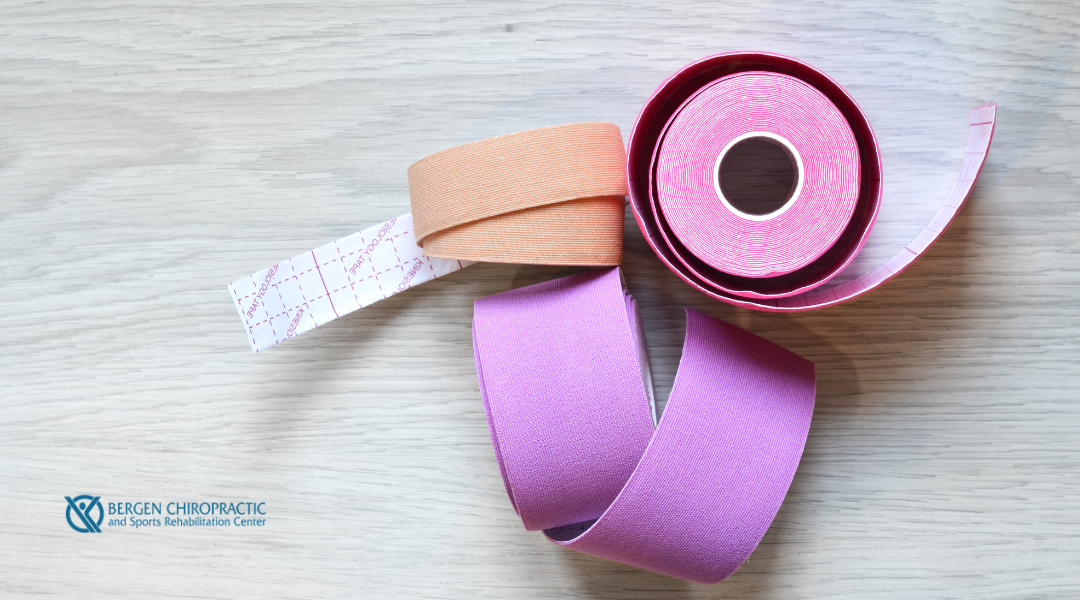
Kinesiology taping is a technique that uses flexible, elastic tape applied directly to the skin to support muscles, joints, and other soft tissues. Unlike traditional athletic tape, which is often used to restrict movement or stabilize an injured area, kinesiology tape is designed to stretch and move with the body.
Chiropractors may use kinesiology taping as part of a broader treatment plan for people experiencing muscle soreness, joint discomfort, sports injuries, or movement-related pain. The tape can remain in place during everyday activities and exercise, providing support without significantly limiting normal movement.
How Does Kinesiology Taping Work?
A chiropractor may adjust the position, direction, and amount of stretch used when applying the tape based on the patient’s symptoms and movement patterns.
Kinesiology taping may help by:
- Supporting Movement Without Restricting Mobility: Because kinesiology tape is elastic, it can provide additional support while still allowing the taped area to move through its normal range of motion. This can be particularly useful for active patients who need support without the stiffness associated with traditional athletic taping.
- Providing Sensory Feedback During Movement: Tape applied to the skin provides continuous sensory input as the body moves. This feedback can increase awareness of how a joint or muscle is moving, which may help patients make better movement choices and avoid positions that aggravate an injury.
- Supporting Injured Muscles and Joints: Kinesiology tape can provide light external support to muscles and joints that are sore, strained, or recovering from injury. Depending on how it is applied, the tape may also help manage swelling and discomfort while the affected area heals.
How Chiropractors Use Kinesiology Taping as Part of Treatment
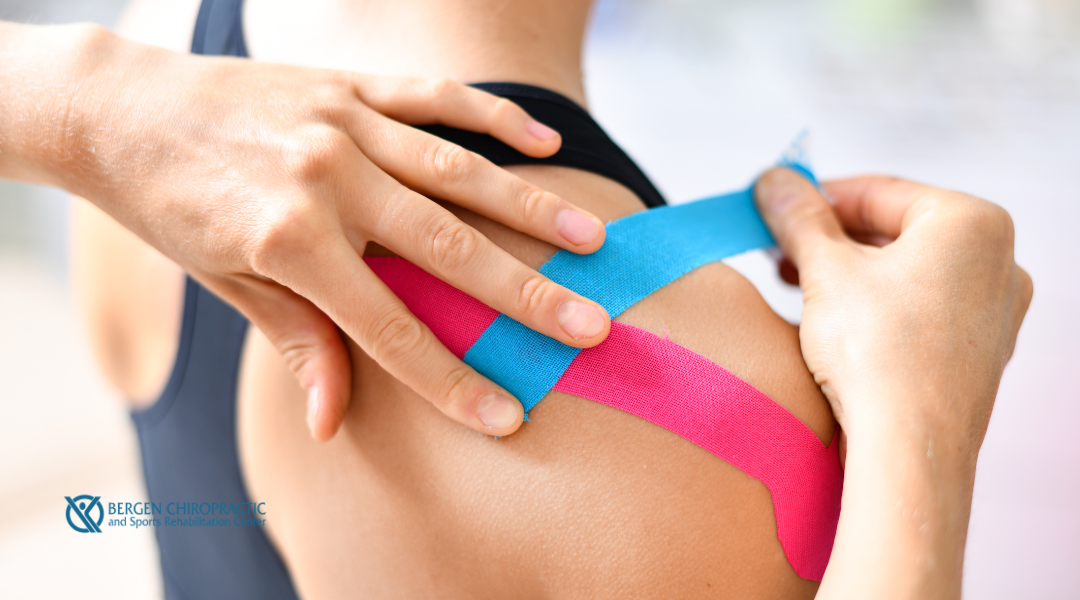
Chiropractors may incorporate it into a treatment plan alongside chiropractic care, soft tissue techniques, stretching, strengthening exercises, and other rehabilitation methods.
- Kinesiology Taping With Chiropractic Adjustments: A chiropractor may apply kinesiology tape following an adjustment to provide additional support to the treated area. While an adjustment focuses on joint mobility and function, taping can offer gentle support as the patient returns to normal daily activities.
- Combining Taping With Soft Tissue Therapy: For muscle strains, tightness, or other soft tissue concerns, kinesiology taping may be combined with techniques such as massage, myofascial release, or other forms of soft tissue therapy. The tape can then remain in place after the appointment, providing continued sensory feedback and support.
- Using Kinesiology Tape During Exercise & Rehabilitation: Chiropractors may also use kinesiology tape during rehabilitation exercises to help patients become more aware of their positioning and movement. Because the tape does not significantly restrict mobility, patients can often wear it while completing prescribed stretches, strengthening exercises, or gradually returning to sports and other physical activities.
Common Injuries Chiropractors May Use Kinesiology Tape For
Kinesiology tape can be used for a range of muscle and joint concerns, particularly when pain or injury affects comfortable movement. Whether taping is appropriate will depend on the injury, symptoms, and individual treatment plan.
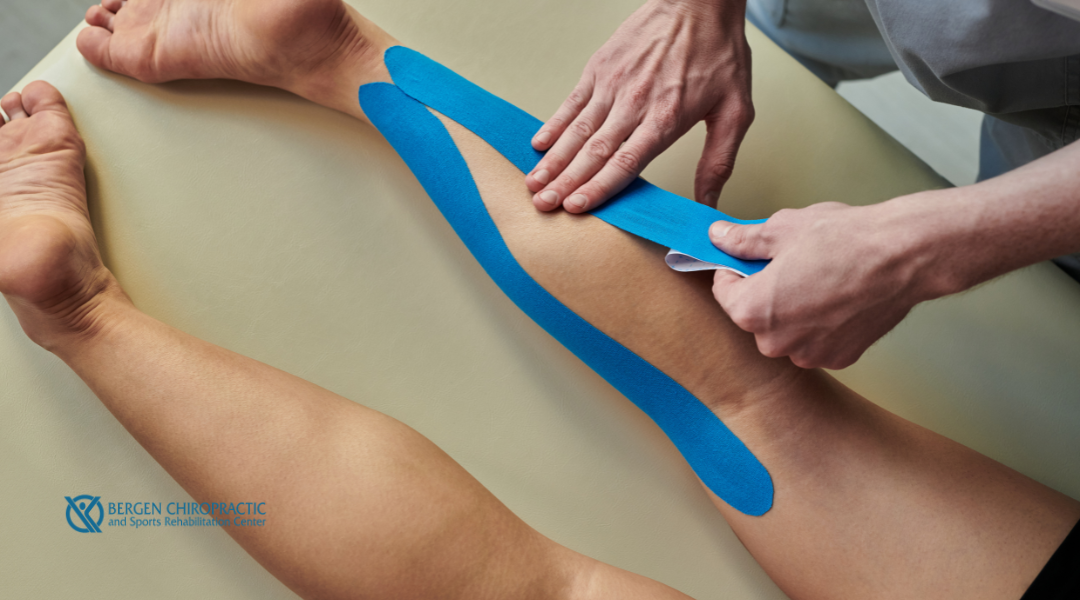
Kinesiology Taping for Shin Splints
For people experiencing shin splints, tape may be applied along the lower leg to support the surrounding muscles during walking, running, and other activities. It is often used alongside rest, mobility work, and exercises that address contributing factors.
Kinesiology Tape for Knee Support & Runner’s Knee
Knee pain is common among runners and other active individuals. Chiropractors may apply tape around the knee to provide light support and improve awareness of knee positioning during movement, without significantly restricting the joint.
Kinesiology Tape for Ankle Support
Following a mild ankle injury or during rehabilitation, kinesiology tape may provide additional support while allowing the ankle to remain mobile. It may also be useful as patients gradually return to exercise or sport.
Kinesiology Taping for Hamstring Injuries
For hamstring strains and muscle soreness, tape may be applied along the back of the thigh as part of a broader recovery plan. Treatment may also include soft tissue therapy, stretching, and progressive strengthening exercises.
Kinesiology Tape for Back Pain
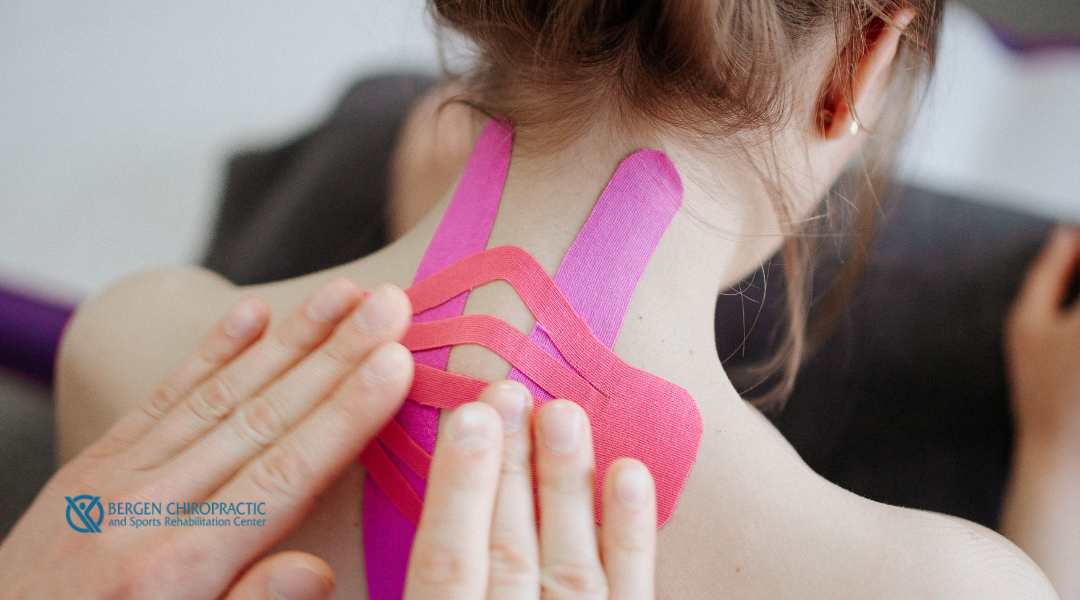
Kinesiology tape can be applied to areas of the upper or lower back to provide gentle support and movement feedback. Chiropractors may use it alongside adjustments, exercises, and other treatments aimed at addressing the underlying cause of back pain.
Kinesiology Tape for Elbow Pain
For conditions involving elbow discomfort or overuse, tape may be placed around the elbow and forearm to support the affected tissues during everyday activities. This can be particularly useful when symptoms are aggravated by repetitive movements.
Kinesiology Taping for Sports Injuries & Athletic Recovery
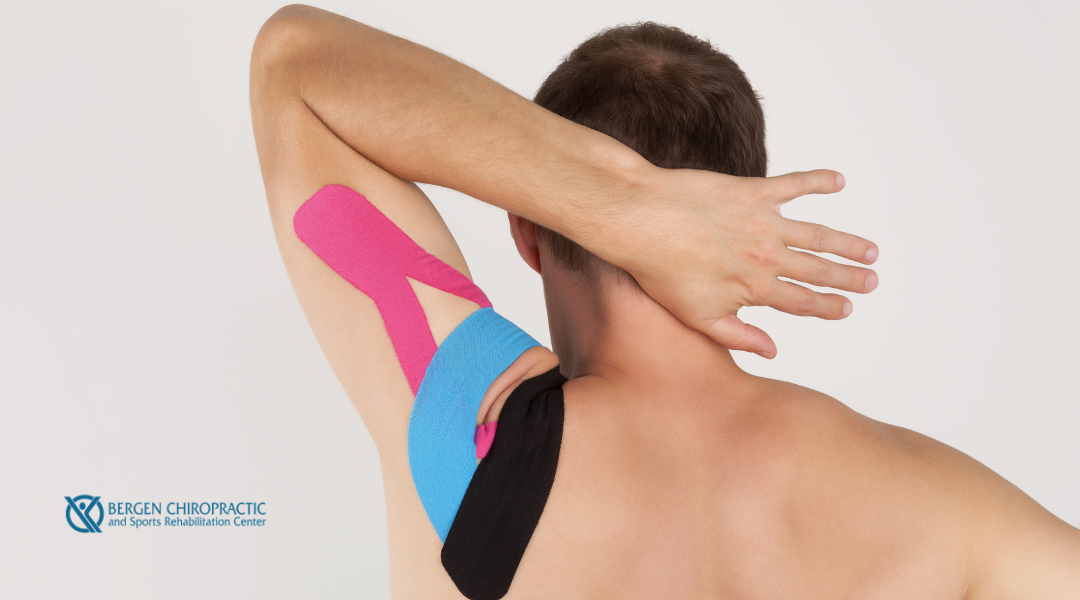
Athletes may use kinesiology tape while recovering from strains, sprains, overuse injuries, and other musculoskeletal concerns. Since the tape is flexible, it can provide support during training or rehabilitation exercises without preventing normal movement.
For chiropractors, taping can be one part of helping an athlete progress from initial treatment back to regular activity. The focus remains on addressing the injury itself rather than relying on tape alone.
Can Chiropractors Use Kinesiology Tape During Pregnancy?
Kinesiology tape is sometimes used during pregnancy to provide gentle support for areas placed under additional strain as the body changes, particularly the lower back and abdomen.
Pregnancy requires additional care when using kinesiology tape. A chiropractor can apply the tape safely and appropriately, considering the stage of pregnancy, the area of discomfort, skin sensitivity, and the patient’s individual needs.
Can You Apply Kinesiology Tape Yourself?
Having a chiropractor or other qualified healthcare professional apply the tape can also help ensure that the underlying cause of the pain has been properly assessed.
Once you have been shown the correct technique for your specific needs, you may be able to reapply the tape at home as directed.
Is Kinesiology Taping a Standalone Treatment?
Kinesiology taping is generally most effective when used as part of a broader treatment plan rather than on its own. While tape may provide temporary support, improve movement awareness, or help manage discomfort, it does not address every factor contributing to an injury or pain.
Chiropractors may combine kinesiology taping with adjustments, soft tissue therapy, mobility work, and rehabilitation exercises based on the patient’s needs. The goal is to address the underlying issue while using taping as an additional tool to support recovery.
Kinesiology Taping at Bergen Chiropractic!
The chiropractic team at Bergen Chiropractic and Sports Rehabilitation Center adheres to the highest medical standards to provide superior chiropractic care.
Our mission is to deliver unparalleled patient care in a comfortable and healing environment.
Access our contact form or call us at (201) 357-6539 to learn more about our chiropractic care services! Our offices at 532 Anderson Avenue, Cliffside Park, NJ 07010, and 62 Summit Ave, Hackensack, NJ 07601, are ready to welcome you as we proudly serve the areas of New York, New Jersey, Philadelphia, PA, and Baltimore, MD. Also, access our blog, Facebook, and Instagram pages for more information on chiropractic care!