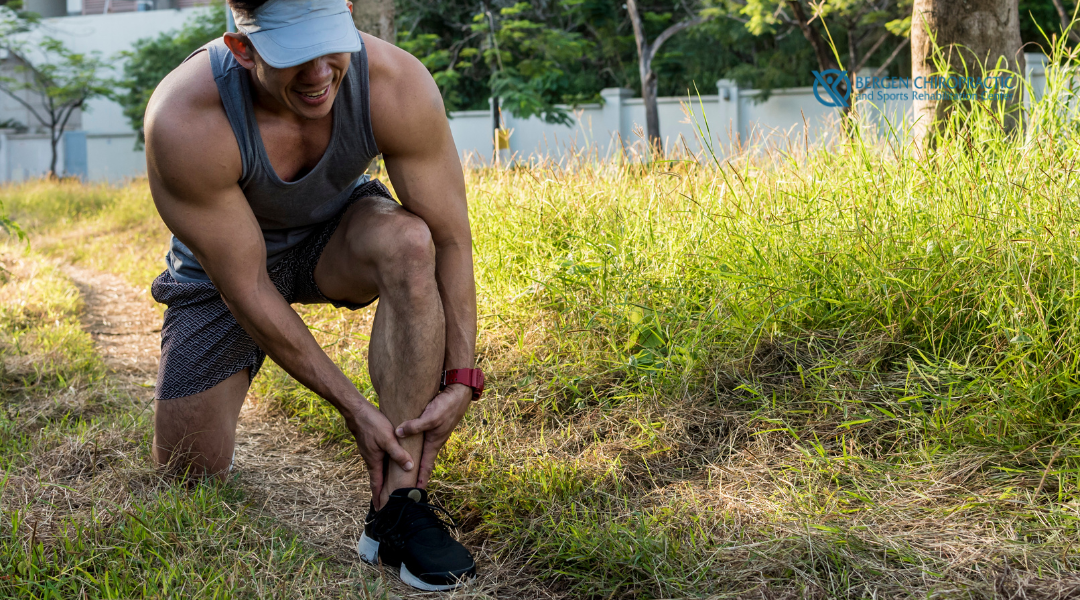
Shin splints are a common overuse injury that can make running, walking, or even everyday movement uncomfortable.
Whether you’re training for a race, starting a new fitness routine, or spending more time on your feet, pain along the front or inside of your lower leg can quickly interrupt your progress.
While rest is an important part of recovery, gentle stretching and mobility exercises may help reduce muscle tightness, improve flexibility, and support the healing process.
When combined with the right treatment plan, these exercises can also help reduce the risk of future flare-ups.
What Are Shin Splints?
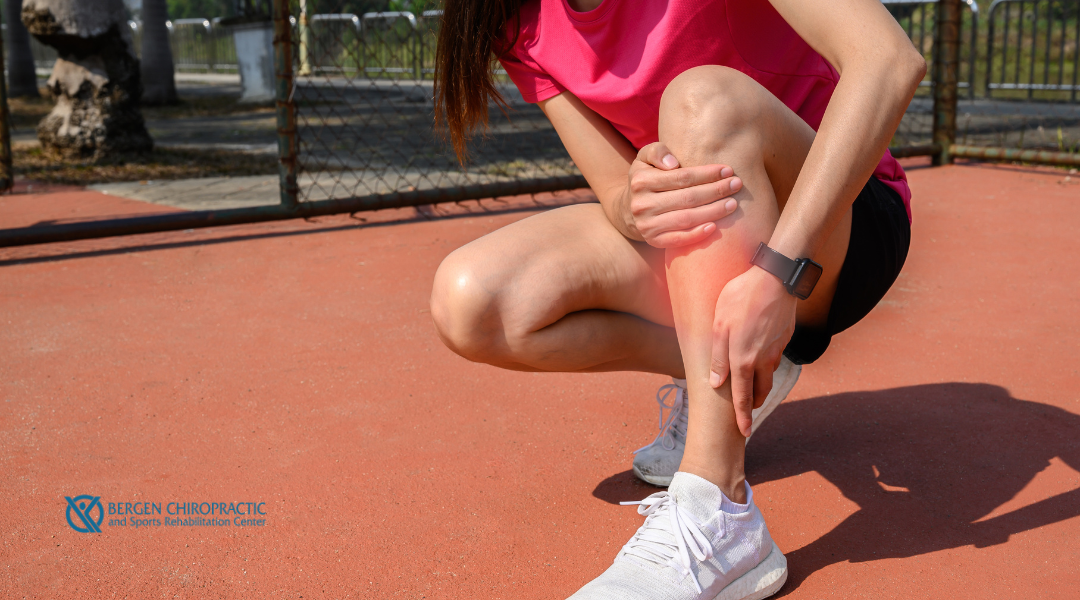
Shin splints, medically known as medial tibial stress syndrome (MTSS), refer to pain that develops along the inner edge of the shinbone (tibia).
This pain occurs when the muscles, tendons, and connective tissues surrounding the tibia become irritated from overuse and stress.
Shin splints are particularly common among runners, dancers, athletes, and individuals who have recently increased the intensity or duration of their physical activity.
The discomfort may begin as a mild ache during exercise but can gradually become more noticeable if the underlying cause is not addressed.
In many cases, shin splints respond well to conservative treatment, including activity modification, stretching, strengthening exercises, and improving movement patterns.
Common Causes of Shin Splints
Shin splints usually develop because the lower legs are exposed to more stress than the muscles and connective tissues are prepared to handle.
Rather than being caused by a single injury, they often result from a combination of training habits, biomechanics, and muscle tightness.
Common causes of shin splints include:
- Increasing running distance, speed, or training intensity too quickly
- Beginning a new exercise program without gradually building up activity
- Running or exercising on hard or uneven surfaces
- Wearing footwear that provides inadequate support or is excessively worn
- Tight calf muscles or reduced ankle mobility
- Muscle weakness in the feet, ankles, hips, or core
- Flat feet, high arches, or other biomechanical factors that affect the way you move
- Repetitive impact from activities such as running, jumping, dancing, or court sports
7 Stretching Exercises That May Help Relieve Shin Splints
Stretching can help reduce tension in the muscles and connective tissues that support the lower leg, improving flexibility and mobility while your body recovers.
These exercises should be performed gently and should never cause sharp or worsening pain. If discomfort increases during any stretch, stop the exercise and seek guidance from a healthcare professional.
1. Standing Calf Stretch
Stand facing a wall with your hands placed against it for support. Step one foot back, keeping the knee straight and the heel firmly on the floor. Lean forward until you feel a stretch in the back of your calf. Hold for 20 to 30 seconds before switching sides.
2. Soleus Stretch
From the same position as the standing calf stretch, bend the back knee while keeping the heel on the ground. This targets the deeper soleus muscle, which plays an important role in absorbing impact during walking and running. Hold for 20 to 30 seconds on each side.
3. Tibialis Anterior Stretch
While standing, point one foot behind you with the top of your toes resting lightly on the floor. Gently lower your body until you feel a stretch along the front of your shin. Hold for 15 to 30 seconds, then repeat on the opposite leg.
4. Seated Hamstring Stretch
Sit on the floor with one leg extended and the other bent so the sole of your foot rests against your inner thigh. Keeping your back straight, lean forward from your hips toward your extended foot until you feel a gentle stretch along the back of your thigh. Hold for 20 to 30 seconds before changing legs.
5. Ankle Alphabet Exercise
Sit comfortably with one leg extended. Lift your foot slightly off the floor and slowly “write” each letter of the alphabet in the air using your foot and ankle. This simple mobility exercise helps improve ankle range of motion and activates the muscles that support the lower leg.
6. Heel Drop Stretch
Stand on the edge of a step with the balls of your feet supported and your heels hanging over the edge. Holding onto a railing for balance, slowly lower your heels until you feel a gentle stretch through your calves and Achilles tendons. Hold briefly before returning to the starting position. Repeat 8 to 10 times.
7. Foam Rolling for the Calves
Using a foam roller, slowly roll from just below your knee to above your ankle, pausing over areas that feel particularly tight. Spend 30 to 60 seconds on each calf, applying gentle pressure while avoiding direct pressure over the shinbone itself. Foam rolling can help reduce muscle tightness and complement your stretching routine.
Signs It’s Time to Seek a Professional Evaluation
While many cases of shin splints improve with rest, stretching, and activity modification, persistent or worsening pain should be evaluated by a healthcare professional.
Continuing to exercise through significant pain may delay recovery and increase the risk of developing a more serious injury.
You should consider scheduling an evaluation if you experience:
- Shin pain that persists despite several days of rest
- Pain that becomes more severe during or after activity
- Swelling, tenderness, or pain that is limited to one specific area of the shin
- Difficulty walking, running, or bearing weight comfortably
- Pain that returns every time you resume exercise
- Symptoms that interfere with your daily activities or athletic performance
The Bergen Chiropractic team performs comprehensive assessments to determine whether your symptoms are consistent with shin splints or if another condition, such as a stress fracture, tendon injury, or compartment syndrome, may be contributing to your pain.
How a Movement Assessment Can Help Prevent Recurring Shin Splints
Treating the pain is only one part of recovery. Understanding why shin splints developed can help reduce the likelihood of the condition returning.
At Bergen Chiropractic, our experienced team evaluates how your body moves as a whole rather than focusing solely on the area that hurts.
A movement assessment may identify factors such as reduced ankle mobility, tight calf muscles, muscle imbalances, poor running mechanics, foot biomechanics, or weakness in the hips and core that place additional stress on the lower legs.
By identifying these contributing factors, we can address the underlying cause of your symptoms and help improve your overall movement efficiency.
Creating a Personalized Treatment and Recovery Plan
Every person moves differently, which is why treatment should be tailored to the individual rather than following a one-size-fits-all approach. Based on your assessment findings, our team develops a personalized treatment plan designed to relieve pain, restore mobility, improve strength, and support a gradual return to your normal activities.
Your care may include chiropractic treatment where appropriate, soft-tissue therapy, mobility exercises, strengthening programs, guidance on training modifications, and education on footwear and injury-prevention strategies.
Our goal is to help you recover safely while reducing your risk of future shin splints so you can continue doing the activities you enjoy with greater confidence.
Get Expert Care for Shin Splints at Bergen Chiropractic
The chiropractic team at Bergen Chiropractic and Sports Rehabilitation Center adheres to the highest medical standards to provide superior chiropractic care. Our mission is to deliver unparalleled patient care in a comfortable and healing environment.
Access our contact form or call us at (201) 357-6539 to learn more about our chiropractic care services! Our offices at 532 Anderson Avenue, Cliffside Park, NJ 07010, and 62 Summit Ave, Hackensack, NJ 07601, are ready to welcome you as we proudly serve the areas of New York, New Jersey, Philadelphia, PA, and Baltimore, MD. Also, access our blog, Facebook, and Instagram pages for more information on chiropractic care!