Back or neck pain can make everyday activities feel frustrating, especially when you’re hearing terms like bulging disc and herniated disc used interchangeably.
A bulging disc and a herniated disc can cause similar symptoms, including pain, stiffness, numbness, or tingling.
The type and severity of symptoms often depend on which disc is affected and whether nearby nerves are being irritated or compressed.
While these spinal conditions are closely related, they are not the same, and understanding the difference can help you make informed decisions about your care.
The Difference Between a Bulging Disc and a Herniated Disc
Your spine is made up of a series of bones called vertebrae, with soft discs sitting between them.
These discs act as cushions, helping absorb shock while allowing your spine to bend and move comfortably. Each disc has a tough outer layer and a soft, gel-like center.
Both bulging and herniated discs affect these spinal discs, but they involve different types of damage.
Bulging Discs
A bulging disc occurs when the outer layer of the disc weakens and extends outward beyond its normal boundary.
The outer wall remains intact, but the disc protrudes slightly, much like a hamburger that extends beyond the edges of its bun.
Many bulging discs develop gradually as part of the natural aging process, although they can also result from repetitive strain, poor posture, or spinal injuries.
Some people have a bulging disc without experiencing any symptoms, while others develop pain if the bulging disc irritates nearby joints or nerves.
Herniated Discs
A herniated disc occurs when a tear develops in the outer layer of the disc, allowing some of the soft inner material to push through the opening.
This is why a herniated disc is sometimes referred to as a slipped disc or ruptured disc, although the disc itself does not actually slip out of place.
Because the inner material can come into direct contact with nearby nerves, a herniated disc is more likely to cause inflammation, nerve irritation, and symptoms that travel beyond the spine.
The severity of symptoms depends on the size and location of the herniation, as well as whether a nerve is being compressed.

Common Symptoms of Bulging and Herniated Discs
Some people experience mild discomfort that comes and goes, while others develop persistent pain that affects daily activities.
Common symptoms may include:
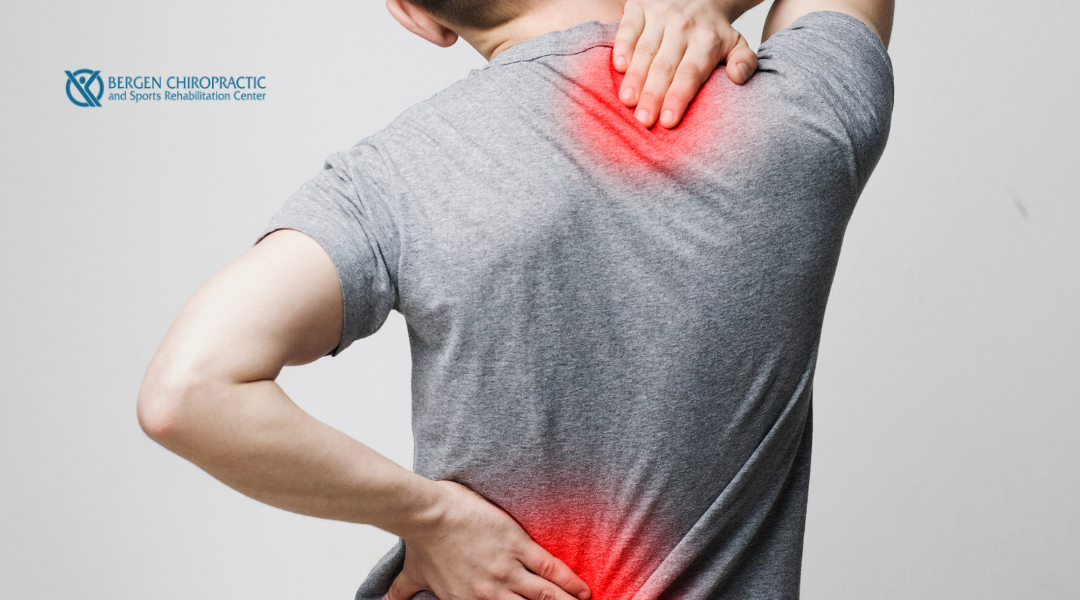
- Localized neck or back pain
- Muscle stiffness or reduced range of motion
- Pain that worsens with certain movements, coughing, or prolonged sitting
- Numbness or tingling in the arms, hands, legs, or feet
- Burning or shooting pain that radiates down an arm or leg
- Muscle weakness in the affected limb
- Difficulty standing, walking, or maintaining certain positions for extended periods
When symptoms travel into the arms or legs, it may indicate that a spinal nerve is being irritated or compressed.
For example, a herniated disc in the neck may cause pain, tingling, or weakness that extends into the shoulder, arm, or hand, while a disc injury in the lower back may produce symptoms that radiate into the buttock, leg, or foot, often referred to as sciatica.

How Chiropractors Evaluate Disc-Related Back and Neck Pain
Identifying the source of spinal pain begins with a thorough assessment. At Bergen Chiropractic, our team takes the time to understand your symptoms, evaluate how your spine is functioning, and determine whether conservative chiropractic care is appropriate for your condition.
- Reviewing Your Symptoms and Medical History: Your chiropractor will discuss when your symptoms began, what activities make them better or worse, whether pain radiates into your arms or legs, and any previous injuries, surgeries, or medical conditions that may be contributing to your symptoms.
- Physical Examination and Neurological Testing: A comprehensive examination may include assessing your posture, spinal mobility, muscle strength, reflexes, sensation, and specific orthopedic tests. These findings help identify whether a disc injury or nerve irritation may be contributing to your pain.
- When Imaging or Further Testing May Be Recommended: Many disc-related conditions can be assessed through a detailed clinical examination. However, if symptoms are severe, progressive, or suggest a more complex condition, your chiropractor may recommend imaging such as X-rays or MRI, or refer you to another healthcare provider for additional evaluation.
Treatment Options for Disc Injuries
Many people with bulging or herniated discs improve with conservative treatment, particularly when care begins early. Treatment plans are tailored to each individual and focus on reducing pain, improving mobility, and supporting the body’s natural healing process.
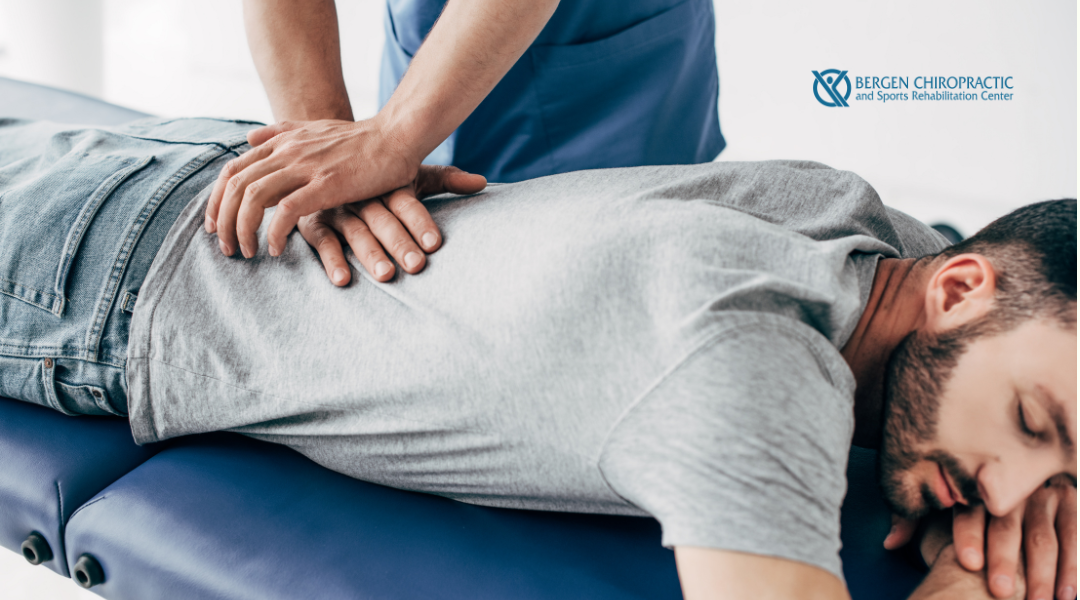
Depending on your condition, your care plan may include chiropractic adjustments where appropriate, gentle spinal mobilization techniques, soft tissue therapy, therapeutic exercises, posture education, and recommendations for modifying activities that may be aggravating your symptoms.
At Bergen Chiropractic, our experienced team develops personalized treatment plans based on your symptoms, examination findings, and overall health goals.
We also work collaboratively with other healthcare providers when additional medical care is in your best interest, ensuring you receive the most appropriate treatment for your condition.
When to Seek Additional Medical Care
Although many disc injuries respond well to conservative care, some symptoms require prompt medical evaluation.
You should seek immediate medical attention if you experience significant muscle weakness, loss of bowel or bladder control, numbness in the groin or saddle region, severe pain following major trauma, or symptoms that rapidly worsen.
Your health and safety always remain the priority, and receiving the right care at the right time helps achieve the best possible outcome.

Find Relief From Disc-Related Pain at Bergen Chiropractic
The chiropractic team at Bergen Chiropractic and Sports Rehabilitation Center adheres to the highest medical standards to provide superior chiropractic care. Our mission is to deliver unparalleled patient care in a comfortable and healing environment.
Access our contact form or call us at (201) 357-6539 to learn more about our chiropractic care services! Our offices at 532 Anderson Avenue, Cliffside Park, NJ 07010, and 62 Summit Ave, Hackensack, NJ 07601, are ready to welcome you as we proudly serve the areas of New York, New Jersey, Philadelphia, PA, and Baltimore, MD. Also, access our blog, Facebook, and Instagram pages for more information on chiropractic care!